

close
Choose Your Site
Global
Social Media

Views: 0 Author: Site Editor Publish Time: 2025-10-15 Origin: Site


When you order takeout, the convenience of enjoying your meal at home often comes with a variety of container options. However, not all takeout containers are created equal, especially when it comes to reheating food in the oven. Understanding the safety and suitability of different materials—such as plastic, aluminum, paper, and glass—is essential to avoid health risks and ensure your food retains its quality. In this article, we will explore the characteristics of various takeout containers and provide guidance on how to safely use them in the oven.
When it comes to takeout containers, several types are commonly used. Each type has unique characteristics affecting its oven safety and suitability for reheating food.
Plastic containers are popular because they are lightweight and inexpensive. They often come in clear or colored varieties and can be sealed tightly to prevent spills. However, most plastic containers are not oven-safe. Heating plastic in the oven can cause melting, warping, or release of harmful chemicals into food. Some plastics are microwave-safe but not designed for the high temperatures of an oven. Always check the container for oven-safe symbols or manufacturer instructions before using it in an oven.
Aluminum containers are widely used for takeout, especially for hot foods. They are lightweight, conduct heat well, and are generally oven-safe up to high temperatures. Aluminum trays and foil pans are often recommended for oven use as they can withstand heat without melting or releasing toxins. However, they may not be suitable for microwave use due to the risk of sparks. Aluminum containers are a good choice if you plan to reheat or cook food in the oven.
Paper containers include cardboard boxes or paperboard cartons, often coated with a thin layer of wax or plastic. These containers are common for dry or low-moisture foods. Most paper containers are not oven-safe because they can catch fire or lose structural integrity when exposed to oven heat. Some specialized paper containers are designed for oven use but are usually labeled as such. When reheating food in the oven, avoid using regular paper containers unless specified safe.
Glass containers are a reusable option often used in takeout or food storage. Many glass containers are oven-safe, especially those made from tempered or borosilicate glass. Glass heats evenly and does not react with food, making it a safe choice for reheating in the oven. However, sudden temperature changes can cause glass to crack or shatter, so it’s important to follow manufacturer guidelines on oven use. Glass containers are heavier and more fragile than plastic or aluminum but offer excellent oven safety.
Always verify the container's oven-safe status by checking for manufacturer instructions or symbols before placing it in the oven to avoid damage or health risks.
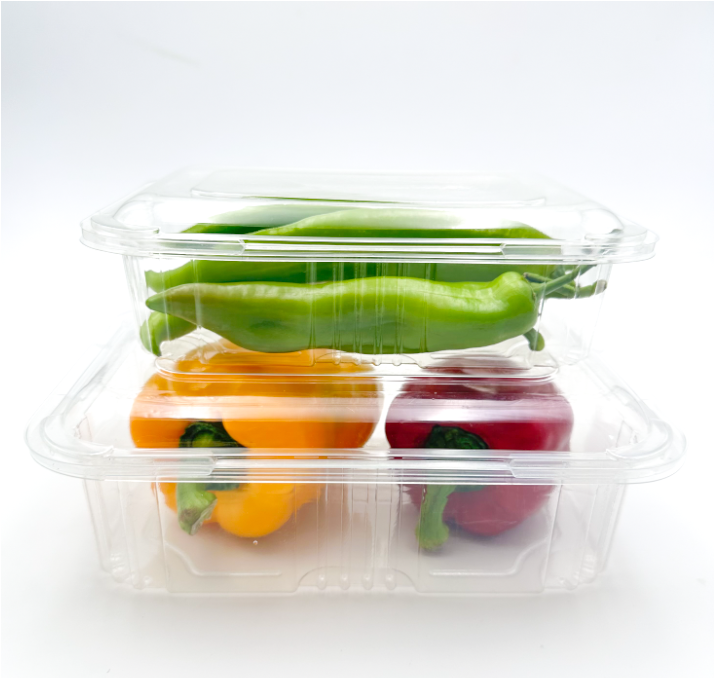
Plastic containers are common in takeout packaging. They’re lightweight, cheap, and often transparent, making food visible. Many plastics are microwave-safe but not oven-safe. Oven heat can cause plastic to melt, warp, or release harmful chemicals into food. Some plastics contain BPA or phthalates, which may leach when heated. Always look for an oven-safe label before using plastic containers in the oven. If unsure, avoid placing plastic in the oven to prevent health risks and container damage.
Aluminum containers are popular for hot foods and reheating. They handle oven heat well, resist melting, and conduct heat evenly. Aluminum pans or trays are often recommended for oven use, especially for baking or roasting. However, aluminum is not microwave-safe as it can cause sparks or fires. Aluminum containers are disposable, making them convenient but less eco-friendly. They can also bend easily, which might lead to spills. Still, aluminum is a reliable choice for oven reheating when used properly.
Paper containers include cardboard or paperboard, sometimes coated with wax or plastic. They’re lightweight and recyclable but mostly not oven-safe. Paper can catch fire or lose shape under oven heat. Some paper containers are specially designed for oven use and labeled accordingly. Regular paper containers should never go in the oven. They’re best for cold or room-temperature foods or microwave reheating if marked safe. Using paper containers in the oven risks fire hazards and food contamination.
Glass containers are reusable and often oven-safe, especially tempered or borosilicate glass types. They heat evenly and don’t react with food or chemicals. Glass is excellent for baking, roasting, and reheating. However, sudden temperature changes can cause glass to crack or shatter. Always follow manufacturer guidelines for oven use. Glass containers are heavier and breakable but provide a safe, eco-friendly oven option. They also maintain food quality better than plastic or paper.
Always check the container’s label or manufacturer instructions to confirm oven safety before reheating food, preventing health risks and damage.
Knowing if a takeout container can safely go in the oven is key to avoid damage or health risks. Here’s how to tell if a container is oven-safe.
Look for symbols or labels on the container. Common oven-safe icons include a small oven image or words like “oven-safe” or “ovenproof.” Sometimes, you’ll find temperature limits printed on the container or its packaging. If you see these signs, the container is likely safe for oven use.
If no label exists, check the container’s material. Aluminum trays usually handle oven heat well. Glass containers made from tempered or borosilicate glass often tolerate oven temperatures. Plastic and paper containers rarely are oven-safe unless explicitly stated.
Always consult the manufacturer’s instructions if available. These provide specific guidance on oven use, including maximum temperatures and duration. Instructions may appear on the container, packaging, or the company’s website.
Following these guidelines helps prevent melting, warping, or chemical leaching. It also protects your oven from damage caused by unsuitable containers.
Even oven-safe containers have temperature limits. Exceeding these can cause warping, cracking, or release of harmful substances. For example:
● Aluminum containers usually withstand temperatures up to 400°F (204°C) or higher.
● Tempered glass containers often tolerate up to 450°F (232°C).
● Plastic containers labeled oven-safe may only handle 350°F (177°C) or less.
Always check the maximum temperature and avoid exceeding it. Preheating the oven before placing the container inside can also help avoid sudden temperature shocks.
Never assume a container is oven-safe without clear labeling or instructions; improper use can lead to health hazards and damage to your oven or food.
Using takeout containers not designed for oven use can lead to several serious problems. Understanding these risks helps protect your health, your oven, and the quality of your food.
Many plastic and paper containers contain chemicals that can leach into food when heated beyond their limits. Heating plastic containers not rated for the oven may release harmful substances like BPA or phthalates. These chemicals pose health risks when ingested. Paper containers coated with wax or plastic may also emit toxins or catch fire, contaminating food. Using non-oven-safe containers can expose you to dangerous fumes or food contamination. Always avoid heating containers that lack clear oven-safe labeling.
Non-oven-safe containers can damage your oven in several ways. Plastic containers may melt or warp, causing sticky residues on oven racks or heating elements. These residues are difficult to clean and can produce smoke or unpleasant odors. Paper containers risk catching fire, which can cause oven damage or even a kitchen fire hazard. Containers that deform or leak may spill food, leading to burnt messes inside the oven. Such damage can reduce your oven’s lifespan or require costly repairs.
Using unsuitable containers affects food quality and safety. Melting plastics can alter food taste and texture. Containers that warp or collapse may cause uneven heating, leaving food cold in some spots and overcooked in others. Paper containers can become soggy or disintegrate, making food messy and unappetizing. Contaminants from container materials may spoil the flavor or safety of your meal. For best results, use containers specifically labeled oven-safe to maintain food integrity and taste.
Always verify oven-safe labels before reheating takeout food to avoid health risks and protect your oven from damage.
Always start by checking the container’s label or packaging for oven-safe symbols or instructions. Look for words like “oven-safe,” “ovenproof,” or a small oven icon. If the label states a maximum temperature, follow it strictly. When no label exists, do not guess. Instead, avoid using that container in the oven to prevent hazards. Manufacturer instructions, found on the container or company website, give the best guidance. They often specify temperature limits and safe heating times. This step helps you avoid melting, warping, or chemical leaching.
Avoid placing containers in a cold oven that is preheating. Sudden temperature changes can cause glass to crack or plastic to warp. Instead, wait until the oven reaches the desired temperature before putting the container inside. This reduces thermal shock, especially for glass containers. For aluminum trays, this is less critical, but still a good practice. Preheating also ensures even cooking and reheating, preserving food quality.
Place containers on the oven rack or baking sheet, not directly on heating elements. Keep space around the container for air circulation to allow even heating. Avoid stacking containers, as this can trap heat unevenly and cause warping or burning. Use oven mitts or heat-resistant gloves when handling hot containers to avoid burns. If using disposable aluminum trays, place them on a sturdy baking sheet to prevent spills or bending.
Always double-check container labels for oven-safe symbols and temperature limits before reheating to protect food quality and avoid oven damage.
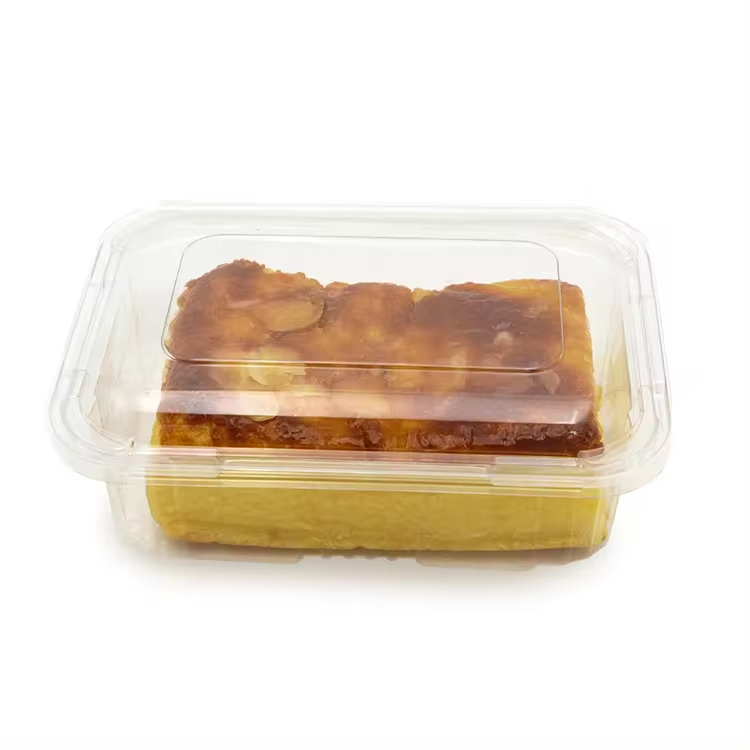
When reheating or cooking food in the oven, choosing the right container is crucial. Disposable takeout containers often lack oven safety, so exploring alternatives can improve safety, food quality, and sustainability.
Reusable containers made from materials like glass, ceramic, and certain plastics designed for oven use offer a reliable alternative. These containers:
● Withstand oven temperatures without warping or melting.
● Maintain food quality by heating evenly.
● Are eco-friendly by reducing waste.
● Often come with lids designed for oven-safe reheating (usually vented for steam release).
For example, borosilicate glass containers resist thermal shock and can go from fridge to oven safely. Ceramic dishes also provide excellent heat retention and are great for baking casseroles or lasagnas. When selecting reusable containers, always check manufacturer guidelines for maximum oven temperatures.
Traditional cookware offers versatile, oven-safe options for reheating or cooking takeout foods. Common choices include:
● Metal baking sheets and pans: Aluminum or stainless steel pans conduct heat well and are durable.
● Cast iron skillets: Excellent heat retention and even cooking, perfect for roasting or reheating.
● Silicone bakeware: Flexible, non-stick, and oven-safe up to high temperatures (usually around 428°F or 220°C).
Using cookware instead of disposable containers ensures better heat distribution and reduces the risk of container damage or food contamination. It also allows for more creative cooking techniques like broiling or roasting.
Sustainability matters more than ever. Eco-friendly alternatives to disposable containers help reduce environmental impact:
● Reusable silicone bags or containers: These can be oven-safe if labeled, and they replace single-use plastics.
● Compostable baking trays: Made from materials like sugarcane fiber or bamboo, some are designed for oven use but check temperature limits.
● Glass or stainless steel meal prep containers: Durable and recyclable, these reduce plastic waste.
Switching to eco-friendly containers supports green initiatives in foodservice and at home, all while providing safe oven use.
Invest in high-quality reusable glass or ceramic containers labeled oven-safe to ensure safe, sustainable reheating and cooking.
Understanding which takeout containers are oven-safe is crucial to avoid health risks and damage. Plastic, aluminum, paper, and glass containers each have specific properties affecting their oven safety. Always check labels for oven-safe symbols to ensure proper use. Using the right container preserves food quality and ensures safety. Consider investing in high-quality, reusable options. Companies like Trusted Packaging Partner/Manufacturer - Lixin Plastic Packing offer products that provide reliable, safe, and eco-friendly solutions for oven use. Choose wisely for better food safety and sustainability.
A: Not all takeaway food containers are oven-safe. Plastic containers typically aren't suitable for oven use, while aluminum containers generally are. Always check for oven-safe symbols or manufacturer instructions on the disposable food container.
A: Most disposable lunch containers, especially those made of plastic or paper, are not oven-safe. Aluminum containers are a better option for oven use, but always verify the container's oven safety.
A: Aluminum is the best material for disposable food storage containers intended for oven use, as it can withstand high temperatures without melting or releasing toxins.


