

close
Choose Your Site
Global
Social Media

Views: 0 Author: Site Editor Publish Time: 2025-12-18 Origin: Site


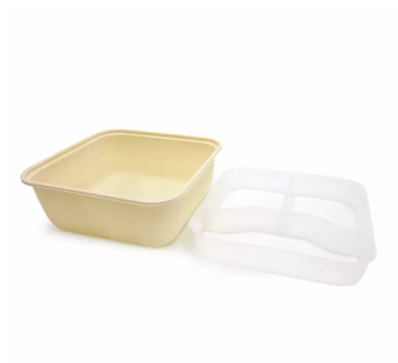
Takeaway packaging is more than just a necessity for restaurants; it’s a vital aspect of customer experience. From keeping food hot and fresh to building brand identity, the right packaging influences every aspect of service.
In this article, we’ll discuss the key factors in choosing food containers, balancing cost and quality, and meeting eco-friendly demands. You’ll learn how to select the best packaging solutions to enhance your restaurant’s reputation and satisfy your customers.
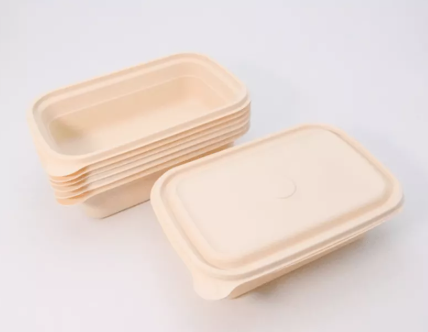
When choosing takeaway packaging, it’s essential to consider the type of food and how it should be stored or transported. Hot food, like pizza, pasta, or fried items, needs packaging that keeps heat locked in and prevents condensation. Condensation can make hot food soggy or unappetizing, so it’s important to choose packaging that minimizes this issue. Insulated containers, foam boxes, or clamshell boxes with heat-retaining materials are ideal choices for hot foods.
For cold foods, such as salads, cold sandwiches, or desserts, the packaging should not only maintain the chill but also keep the food fresh and presentable. Cold food packaging should be able to prevent moisture buildup and keep the items crisp. Transparent plastic containers, vented trays, and eco-friendly packaging options can help maintain freshness and prevent sogginess, particularly for salads or delicate dishes.
| Food Type | Recommended Packaging | Benefits | Best For |
|---|---|---|---|
| Hot Foods | Insulated containers, clamshell boxes | Retains heat, prevents condensation | Pizza, pasta, fried items |
| Cold Foods | Clear plastic containers, vented trays | Maintains chill, prevents moisture buildup | Salads, cold sandwiches, desserts |
Sustainability is a growing concern among both consumers and businesses. Many restaurants are opting for eco-friendly packaging materials to reduce their environmental impact. Biodegradable plastics, paper-based packaging, and plant-based containers are all great options that help minimize pollution. Unlike conventional plastics that take hundreds of years to break down, these materials decompose naturally and have a smaller carbon footprint.
Moreover, restaurants can use recycled materials for packaging to further promote sustainability. Recycled paper or plastic containers can reduce the reliance on virgin resources and support the circular economy. Using eco-friendly packaging not only meets environmental goals but also appeals to eco-conscious customers who are more likely to support businesses that align with their values.
While choosing high-quality packaging materials is crucial for ensuring food safety and customer satisfaction, it’s important for restaurants to also consider their budget. Restaurant owners often face the challenge of finding cost-effective packaging that does not compromise the quality of the food’s presentation or the customer experience.
Eco-friendly packaging tends to be more expensive than conventional plastic containers, but it also helps create a positive brand image and can attract customers who are committed to sustainability. On the other hand, low-cost packaging options may save money in the short term but could lead to negative customer experiences if the packaging doesn’t properly protect the food or if it is perceived as substandard.
The key to balancing cost and quality is to look beyond just the upfront cost. Consider the long-term benefits, such as customer retention, brand loyalty, and the positive environmental impact of using sustainable packaging. If your restaurant serves high-end or niche foods, investing in premium packaging might be worth the cost, as it can enhance the overall dining experience and justify the pricing of your menu.
| Packaging Type | Upfront Cost | Long-Term Benefits | Best For |
|---|---|---|---|
| Eco-Friendly | Higher | Positive brand image, attracts eco-conscious customers | Restaurants prioritizing sustainability |
| Conventional Plastic | Lower | Cost-effective, widely available | Budget-conscious restaurants |
| Container Type | Advantages | Disadvantages | Best For |
|---|---|---|---|
| Plastic | Lightweight, durable, leak-proof, versatile | Less sustainable unless recyclable | Cold foods, delivery, takeout |
| Paper | Biodegradable, compostable, eco-friendly | Less durable, not ideal for wet or hot foods | Dry foods, sandwiches, bakery |
| Aluminum | Excellent heat retention, recyclable | Can be expensive, less sustainable if not recycled | Hot foods, meals requiring heat retention |
There are several options when it comes to disposable containers, and each has its advantages and disadvantages. Plastic containers are the most common choice in the food industry. They are lightweight, durable, and versatile, which makes them a great option for a wide variety of foods. Plastic containers also seal tightly, which helps prevent leaks and keeps food secure during delivery. However, they are less sustainable unless made from recyclable plastic, and their environmental impact can be significant.
Paper containers, on the other hand, are an eco-friendlier option. They are biodegradable and compostable, offering a sustainable alternative to plastic. Paper is often used for lighter foods such as salads, sandwiches, or bakery items. While it is less durable than plastic, it is suitable for packaging dry foods or items that don’t require temperature control.
Aluminum containers provide excellent heat retention, making them ideal for hot food items. These containers are also highly recyclable, which makes them an excellent option for eco-conscious restaurants. They offer durability and strength, ensuring that food remains secure and intact during delivery.
Food safety and durability are critical when selecting disposable containers. The container should be food-safe, ensuring that no harmful chemicals leach into the food. For hot foods, the container must be able to withstand high temperatures without warping or leaking. Similarly, for moist or greasy foods, the container should be resistant to moisture to prevent the packaging from breaking down.
High-quality containers help maintain food integrity during transportation. For instance, sturdy paperboard containers are suitable for dry foods, while stronger materials like polyethylene or foam are used for items that require extra insulation. Always ensure that the containers you use meet food safety standards and that they are durable enough to withstand handling during delivery.
The design of takeaway packaging plays an important role in shaping your restaurant’s image. A thoughtfully designed container not only protects the food but also serves as a marketing tool. Custom packaging with your restaurant’s logo, brand colors, and creative design elements helps reinforce your brand’s identity. Packaging is an extension of your restaurant’s overall aesthetic, and customers are more likely to remember your brand if it leaves a positive visual impression.
Aesthetically pleasing packaging can also improve the overall customer experience. For example, elegant, high-quality packaging can make even a casual takeaway meal feel more special, while simple but functional packaging can convey professionalism and practicality. Additionally, easy-to-use packaging that opens easily or is compact and stackable increases convenience for customers, making their takeaway experience more enjoyable.
Clear labeling is an important aspect of takeaway packaging. It ensures that customers are informed about the contents of their order, including nutritional information, allergens, and ingredients. This transparency fosters trust and helps customers make informed decisions, particularly for those with dietary restrictions or allergies.
In addition to health-related information, labeling can also provide customers with additional details such as reheating instructions or best-before dates. Having a well-designed label with clear, easy-to-read text also improves the customer experience, making it easier for them to enjoy their meal without confusion.
Restaurants can contribute to sustainability by offering reusable containers for takeaway orders. This approach not only reduces waste but also builds goodwill with environmentally conscious customers. Many restaurants are introducing initiatives where customers can return containers for cleaning and refilling. In some cases, restaurants offer discounts or loyalty rewards for customers who use reusable containers, encouraging customers to make eco-friendly choices.
Reusable packaging can be a cost-effective long-term solution, especially if the restaurant implements a container return system. It reduces the reliance on single-use packaging and can create a positive image of your brand as one that cares about the environment.
Another way restaurants can reduce waste is by implementing recycling and reuse programs. Many suppliers now offer recyclable or compostable packaging materials, helping restaurants meet their sustainability goals. Additionally, some restaurants have started working with local recycling programs to collect used containers, which can then be properly disposed of or repurposed.
By setting up clear recycling stations for customers and staff, restaurants can make it easy for everyone to contribute to waste reduction efforts. Educating customers about the benefits of recycling and reusing packaging materials can further reinforce your commitment to sustainability.
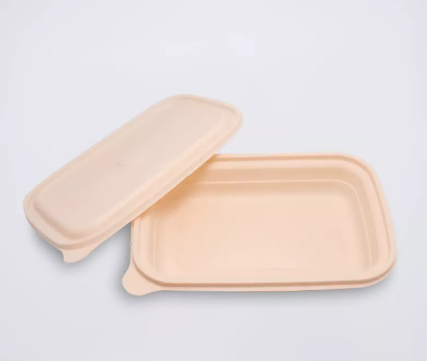
As consumers become more environmentally conscious, many are choosing restaurants that use sustainable packaging. This growing demand for eco-friendly packaging reflects a shift in consumer values, with sustainability now being a key factor in purchasing decisions. Restaurants that adopt sustainable packaging options not only reduce their environmental impact but also improve their appeal to eco-conscious customers.
Sustainable packaging can also enhance customer loyalty, as people are more likely to support businesses that share their values. By making sustainability a priority, restaurants can build a customer base that appreciates their efforts to make a positive difference.
The future of takeaway packaging is increasingly focused on innovation and sustainability. As packaging technology advances, new materials and designs are being developed to meet the growing demand for environmentally friendly options. From edible packaging to compostable and plant-based materials, the future holds exciting possibilities for restaurants that want to stay ahead of the curve.
Restaurants need to stay informed about emerging trends and adopt new packaging solutions that align with customer preferences. By being proactive in implementing innovative and sustainable packaging, restaurants can differentiate themselves from competitors and continue to attract a loyal customer base.
Takeaway packaging plays a crucial role in a restaurant's branding and customer experience. By selecting quality materials, focusing on sustainability, and enhancing customer convenience, restaurants can optimize packaging to improve efficiency and build loyalty. Regularly reviewing packaging options helps restaurants stay competitive. Prioritizing packaging that ensures food safety, supports environmental goals, and offers a great experience leads to business success.
Lixin Plastic Packing Company offers innovative packaging solutions that provide durable and eco-friendly options. Their products enhance food safety while meeting sustainability goals, offering value to restaurants looking to optimize their takeaway services.
A: The best food containers for takeaway packaging depend on the type of food. Insulated containers work well for hot foods, while clear plastic or paper containers are ideal for cold items. Always consider food safety, durability, and environmental impact when choosing containers.
A: Eco-friendly takeaway packaging reduces environmental impact and appeals to sustainability-conscious customers. Using biodegradable or recyclable food containers helps improve a restaurant’s brand image and supports long-term environmental goals.
A: Balancing cost and quality involves considering both the upfront cost and long-term benefits. While high-quality food containers may be more expensive, they can improve customer satisfaction and reduce food waste, offering long-term value.
A: Yes, but different materials are needed for hot and cold foods. Insulated containers work best for hot meals, while vented or clear plastic containers are ideal for cold foods. Always choose food containers that maintain temperature and food integrity.
A: Yes, there are several sustainable options, including biodegradable plastics, paper, and plant-based containers. These food containers reduce environmental impact and appeal to eco-conscious customers.


