

close
Choose Your Site
Global
Social Media

Views: 0 Author: Site Editor Publish Time: 2025-12-19 Origin: Site


Styrofoam takeout containers have long been a staple in the food industry, but their environmental impact is undeniable. As sustainability becomes a priority for consumers and businesses alike, many are seeking alternatives. In this article, we’ll explore the best alternatives to Styrofoam takeout containers, offering eco-friendly options that benefit both the planet and your business. You’ll discover materials that not only meet environmental standards but also maintain food quality and customer satisfaction.
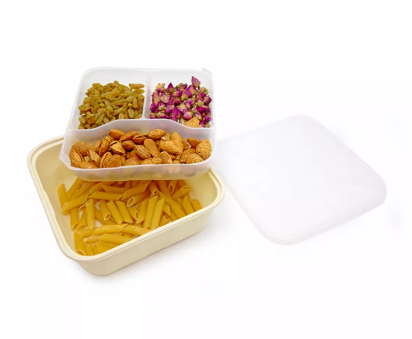
Styrofoam is made from polystyrene, a plastic that can take hundreds, even thousands of years to break down in landfills. Once discarded, this material is responsible for serious environmental degradation. It often disintegrates into small particles, known as microplastics, which can contaminate water bodies, harm marine life, and pollute ecosystems. Despite being lightweight, Styrofoam’s environmental footprint is disproportionately large, as it is non-biodegradable and poses a long-lasting threat to our environment. Consider switching to compostable or recyclable takeout containers to help reduce your environmental impact and align your business with sustainable practices.
When Styrofoam containers come into contact with hot or oily foods, they can release harmful chemicals such as styrene and benzene into the food. These chemicals are linked to serious health risks, including cancer, neurological damage, and hormone disruption. As consumers become more health-conscious and informed, the demand for safer packaging is increasing. Switching to containers made from natural or bioplastics ensures food safety and aligns your business with consumer expectations for health-conscious choices. It’s not just about reducing risk; it’s about fostering trust with your customer base.
Across the globe, governments and municipalities are implementing regulations to ban Styrofoam takeout containers, driven by their harmful environmental and health effects. Many cities and countries have already passed policies requiring businesses to transition to eco-friendly packaging options. Additionally, customers increasingly expect foodservice businesses to adopt sustainable practices, making the use of Styrofoam not just a liability but a potential business risk. Staying ahead of regulations by adopting alternative takeout containers now can help your business avoid future compliance costs and enhance your public image as an eco-conscious brand.
In addition to its environmental and health concerns, Styrofoam also presents operational challenges. It is easily crushed or warped, often affecting the integrity of the food packaging. Moreover, Styrofoam containers tend to have poor sealing properties, which can lead to leaks and spills, creating messes that are difficult to clean and causing customer dissatisfaction. The fragility and inconsistency in quality make Styrofoam an impractical choice for businesses aiming to provide reliable and high-quality customer service.
When selecting alternative containers, ensure they meet the performance requirements of your menu items. Some foods, especially greasy or hot dishes, require containers that can withstand high temperatures without compromising the integrity of the packaging. Materials like bagasse, molded fiber, or PLA are great choices as they can handle both heat and moisture without leaking or warping. By choosing the right materials, you ensure that the packaging maintains food quality, prevents leaks, and keeps the food fresh and secure during transportation.
Consider the overall environmental impact of the materials you use. Compostable containers break down much faster than Styrofoam, reducing landfill waste. Materials like cornstarch and sugarcane are biodegradable and compostable, making them much better for the planet. It’s also important to evaluate how long each material takes to break down and its carbon footprint. This helps you make an informed, sustainable choice for your business while also contributing positively to the global movement toward reducing waste and carbon emissions.
While alternative takeout containers may cost more upfront compared to Styrofoam, the benefits they offer in terms of sustainability, food safety, and customer satisfaction can outweigh the additional expense. It’s important to assess the total cost of ownership, factoring in not just the unit price but also waste disposal, storage space, and supply chain efficiency. Reusable options, though higher in initial cost, can offer long-term savings when implemented in the right settings, such as food trucks, corporate cafeterias, or member-based dining programs. Choose containers that meet both your budget and operational needs to maximize cost-efficiency while promoting sustainability.
Different types of foodservice models—dine-in, takeaway, food trucks—require different packaging solutions. For example, food trucks may prioritize lightweight, stackable containers that don’t take up much space, while fast-casual restaurants may focus on sturdier, more presentable packaging that enhances the customer experience. Select containers that align with your business model and food offerings, ensuring that they meet the needs of both your food and your customers. This ensures that your packaging is both practical and functional for your unique business requirements.
| Container Type | Key Material | Benefits | Drawbacks | Best For |
|---|---|---|---|---|
| Cornstarch-Based | Cornstarch | Compostable, heat-resistant, renewable | Not suitable for long-term storage | Hot or greasy foods, takeout services |
| Sugarcane/Bagasse | Sugarcane byproduct | Biodegradable, durable, resistant to grease | Can be more expensive | Rice, pasta, salads |
| Molded Fiber | Recycled paper, plant fibers | Compostable, leak-resistant, versatile | Can be fragile under high moisture | Salads, sandwiches, pasta |
| Wooden | Wood | Premium appearance, biodegradable | Expensive, best for upscale businesses | Gourmet meals, artisanal products |
Cornstarch-based containers are made from renewable resources and are compostable, making them a great choice for eco-conscious businesses. They are durable enough to handle hot and oily foods, making them ideal for a variety of menu items. However, they are not suitable for long-term storage in humid or wet conditions. These containers are perfect for foods like soups, fried items, and greasy dishes, as they maintain packaging integrity even with hot or oily foods. This makes them a great alternative to Styrofoam, especially for businesses focusing on takeout or delivery services.
Sugarcane and bagasse containers are made from the byproducts of sugar production. These containers are biodegradable, durable, and can withstand hot and greasy foods, making them ideal for many foodservice settings. Bagasse is an excellent option for food businesses looking for an eco-friendly packaging solution that is both cost-effective and sustainable. These containers are perfect for restaurants that serve large portions of rice, pasta, or salads, offering a strong and reliable alternative to Styrofoam that meets sustainability goals.
Molded fiber containers, made from recycled paper and plant fibers, are strong, versatile, and fully compostable. They are perfect for both hot and cold foods and are leak-resistant, making them a reliable option for a variety of menu items. Whether you serve salads, sandwiches, or pasta, molded fiber containers offer an eco-friendly, functional alternative to Styrofoam. These containers are a great choice for businesses looking to prioritize sustainability while maintaining product quality.
Wooden containers offer a premium and visually appealing alternative to Styrofoam. They are perfect for upscale dining or gourmet food services, offering a natural, rustic look that enhances the dining experience. These containers are ideal for foods like sushi, gourmet burgers, or artisanal desserts. While they are biodegradable, wooden containers can be more expensive than other alternatives, which may make them better suited for high-end businesses or catering services looking to elevate their brand image.
Paper and cardboard containers are a popular choice for food businesses seeking recyclable packaging. These containers are perfect for items like burgers, fries, and sandwiches. When treated with a leak-resistant coating, these containers can effectively handle moist and greasy foods without compromising on durability or presentation. Paper containers are a cost-effective and reliable alternative for fast food businesses, casual dining, or takeaway services looking for practical, sustainable packaging solutions.
PLA (Polylactic Acid) is a bioplastic made from renewable plant starches, making it compostable and eco-friendly. PLA containers are ideal for cold foods like salads, desserts, and beverages. However, PLA may become brittle under heat and may not be suitable for hot, greasy dishes. These containers are an excellent choice for businesses serving cold or chilled items, such as smoothies, salads, and cold drinks. By choosing PLA containers, you are making an environmentally responsible choice that appeals to eco-conscious consumers.
Aluminum containers are an excellent alternative for businesses that need packaging that can withstand high temperatures. These containers are fully recyclable and can go from oven to table without compromising the food’s quality. They are ideal for dishes like casseroles, baked goods, and pizza. Aluminum containers provide a reliable, heat-resistant option, and their recyclability adds an additional environmental benefit over single-use Styrofoam containers.
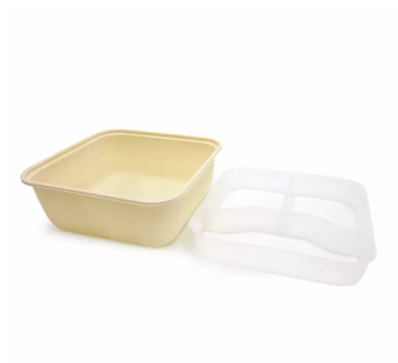
MFPP is a blend of polypropylene plastic and mineral fillers, offering improved strength, heat resistance, and recyclability compared to traditional Styrofoam. This material provides a solid and sustainable packaging option for businesses looking to reduce their environmental footprint while maintaining durability.
PHA (Polyhydroxyalkanoates) is a biodegradable plastic made from renewable plant oils. It can break down naturally in both industrial and home composting environments, making it a truly sustainable option for foodservice businesses. PHA is a great alternative to Styrofoam that combines compostability with the durability and versatility required for food packaging.
Polypropylene containers are durable, versatile, and widely recyclable. While not as eco-friendly as bioplastics, polypropylene still offers a reliable and affordable option for businesses looking for dependable and cost-effective packaging. These containers are suitable for a wide variety of foods and are recyclable, making them a practical choice for businesses that still rely on plastic packaging.
Reusable containers are an excellent choice for businesses with a strong, loyal customer base, such as food trucks, corporate cafeterias, or membership-based dining programs. These containers reduce long-term costs and waste, making them ideal for environments where customers are likely to return for multiple visits. Implementing a container return system ensures the longevity and cost-efficiency of reusable containers, providing both environmental and economic benefits for your business.
Popular materials for reusable containers include platinum silicone, durable polypropylene, and glass. These materials offer strength, heat resistance, and ease of cleaning, making them ideal for businesses that wish to make a long-term investment in sustainable packaging. Reusable containers not only reduce waste but also convey a strong commitment to environmental responsibility, helping you attract eco-conscious customers.
A return and deposit system ensures customers return the containers after use. By setting up collection points and offering incentives for returns, you can create a sustainable cycle that benefits both your business and the environment. This system can be easily implemented in foodservice businesses, and its success depends on customer engagement and convenience.
For QSRs, disposable containers that are both eco-friendly and cost-effective are essential. Molded fiber or sugarcane containers work well in these settings, providing the right balance of performance and sustainability. These containers meet the needs of fast-paced environments while aligning with sustainability goals.
Food trucks require lightweight, stackable containers that don't take up much storage space. Paper, molded fiber, or PLA containers are excellent options for these environments. They provide the necessary functionality without compromising on space or efficiency, which is crucial in a fast-moving service model.
Cafés and bakeries should opt for attractive and sturdy containers that reflect their brand's identity. Wooden, fiber, or clear PLA containers are excellent choices for businesses aiming to enhance the customer experience by offering visually appealing packaging that showcases their products effectively.
For institutional foodservice, closed-loop reusable programs can be the most efficient solution. Standardized containers made from materials like polypropylene or stainless steel work well in high-volume environments. These solutions reduce waste and streamline operations, ensuring that your business remains efficient while promoting sustainability.
| Container Type | Upfront Cost | Long-Term Savings | Environmental Impact | Best For |
|---|---|---|---|---|
| Cornstarch-Based | Moderate | Moderate | Compostable, eco-friendly | Takeout services with greasy foods |
| Sugarcane/Bagasse | Moderate | Low | Biodegradable, reduces waste | High-volume restaurants, bulk servings |
| Molded Fiber | Low | Moderate | Fully compostable, eco-friendly | Casual dining, takeout restaurants |
| Reusable Containers | High | High | Minimal waste, reusable | Food trucks, corporate cafeterias |
| PLA Bioplastics | Moderate | Moderate | Biodegradable, eco-friendly | Cold dishes, salads, desserts |
When considering alternatives to Styrofoam, evaluate the total cost of ownership, including waste disposal and storage needs. Reusables, although higher in initial cost, can offer significant savings over time. By reducing the need for frequent replacement, reusable containers ultimately reduce waste disposal costs and help your business achieve long-term savings.
Ensure that your alternative containers can be composted or recycled in your local area. Work with waste management services to ensure that containers don't end up in landfills. Effective waste management systems are critical in maximizing the environmental benefits of switching to alternative containers.
Partner with suppliers who offer reliable, certified, eco-friendly containers. Look for businesses that provide transparency regarding the sustainability of their products. By establishing strong supplier relationships, you ensure the consistent availability of high-quality, environmentally responsible packaging for your business.
Use clear messaging on packaging to inform customers how to dispose of or return their containers. This helps promote sustainability and ensures customers are following proper disposal practices. Simple icons, short claims, and QR codes can educate customers effectively while enhancing their experience.
Educate your staff about the benefits of switching to eco-friendly containers so they can confidently inform customers and answer any questions. Staff members are key to conveying your business's commitment to sustainability, and their enthusiasm can positively influence customer perceptions.
Leverage sustainable packaging as part of your brand's identity. The right packaging can strengthen your brand's commitment to sustainability, attract eco-conscious customers, and differentiate your business from competitors. By using environmentally responsible packaging, you align your brand with values that resonate with today’s consumers.
Styrofoam takeout containers are becoming obsolete due to their environmental and health risks. By adopting eco-friendly alternatives like compostable fiber, smarter plastics, or reusable containers, businesses can reduce waste and improve customer satisfaction. This transition helps companies stay ahead of regulations while positioning their brand as a sustainability leader. Starting small with alternative containers is an effective approach for businesses looking to reduce their environmental footprint.
Lixin Plastic Packing Company offers a range of sustainable packaging solutions designed to support businesses in making this shift. Their products provide unique advantages by combining durability, eco-friendliness, and cost-effectiveness, ensuring that businesses can easily transition to greener alternatives while meeting their operational needs.
A: The best alternatives include compostable fiber containers, sugarcane-based packaging, molded fiber, PLA bioplastics, and reusable containers. These options offer eco-friendly solutions that reduce environmental impact.
A: Styrofoam is harmful to the environment and can pose health risks. By using alternative takeout containers, businesses can improve sustainability, meet regulatory requirements, and attract eco-conscious customers.
A: Cornstarch takeout containers are compostable and heat-resistant. They are a great alternative for foods like soups or fried items, but they are not ideal for long-term storage.
A: Yes, reusable takeout containers made from materials like silicone, glass, or durable plastics are available. These options help reduce waste and long-term costs, making them ideal for businesses with high customer retention.
A: While alternative takeout containers may cost more upfront than Styrofoam, the long-term environmental benefits and customer satisfaction can outweigh the initial cost. Reusables can offer substantial savings over time.


