

close
Choose Your Site
Global
Social Media

Views: 0 Author: Site Editor Publish Time: 2025-10-12 Origin: Site


Choosing the right size take out containers is essential for ensuring food quality, customer satisfaction, and operational efficiency. The size of the container not only affects the presentation and taste of the food but also plays a crucial role in portion control and cost management. In this article, we will explore the key factors to consider when selecting the appropriate container size, including food type, portion sizes, and the impact on waste reduction and sustainability. By understanding these elements, businesses can enhance their service and create a better dining experience for their customers.
Choosing the right size take out container is crucial for many reasons. It affects how your food looks, tastes, costs, and how happy your customers feel. Let’s break down the key impacts of container size.
The size of your container directly influences food quality and presentation. If the container is too small, food can get squished or spill, ruining its look and texture. For example, a saucy pasta packed in a tiny container might leak or flatten, making it less appetizing. On the other hand, an oversized container can let food slide around, damaging delicate items like salads or sushi. A well-sized container keeps food fresh and visually appealing, which makes customers more likely to enjoy their meal and order again.
Container size helps control portions consistently. This consistency ensures customers get the right amount every time, avoiding over-serving or under-serving. Over-serving wastes food and money, while under-serving can disappoint customers. For example, using a 16 oz container for a small entrée helps standardize servings and control food costs. Right-sized containers reduce guesswork in portions, improving your kitchen’s efficiency and profitability.
Using containers that fit your food reduces waste. Oversized containers mean more packaging material, which adds to landfill waste and costs. Smaller containers use less material and often weigh less, which can lower shipping fuel use and carbon footprint. For eco-conscious businesses, choosing the right size container supports sustainability goals. It also reduces the need for double packaging, which happens when food doesn’t fit well in one container.
The right container size improves the customer experience. Food that looks generous and stays intact boosts customer satisfaction. If food arrives squished or spills, customers may think the quality is poor. For example, a burger and fries in a 32 oz multi-compartment container keeps items separated and fresh, enhancing the unboxing experience. Properly sized containers also make eating easier and less messy, increasing the chance of repeat business.
Always test different container sizes with your menu items to find the perfect fit that balances food quality, portion control, and customer satisfaction.
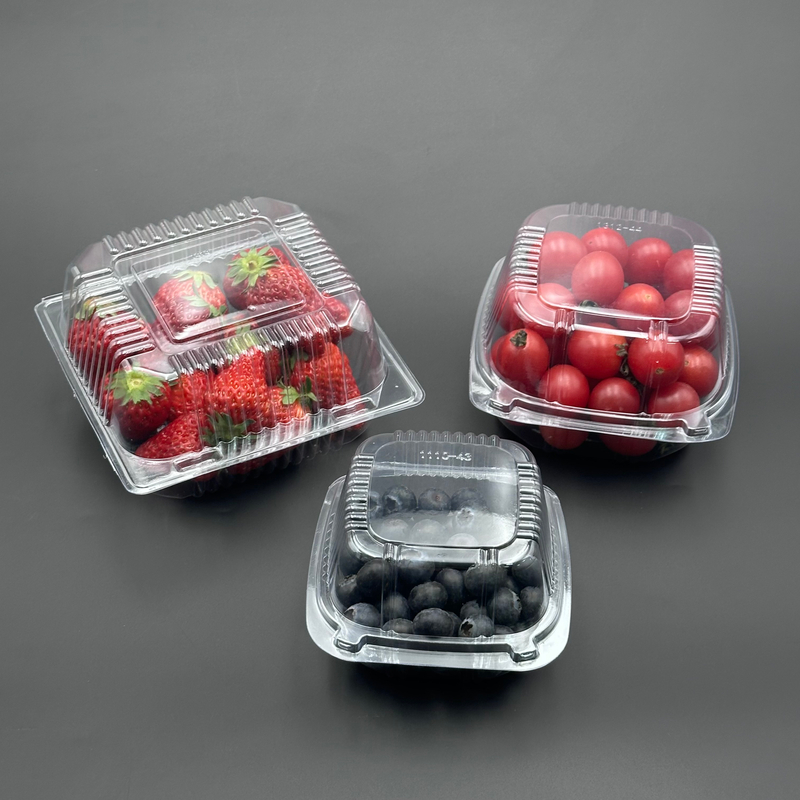
Choosing the right size take out container depends on the food type and portion size. Here’s a breakdown of common container sizes and their typical uses:
These small containers are perfect for sauces, dressings, dips, and small side portions. They keep condiments separate and prevent sogginess. For example, a 4 oz container works well for ketchup or salad dressing, while 8 oz containers suit small side salads or fruit cups. Their compact size saves space and reduces waste when only a small amount of food is needed.
Containers in this range suit small entrees, soups, or larger side dishes. Think of a 12 oz container holding a cup of soup or a 16 oz container for mac and cheese or a small pasta dish. These sizes offer enough room for a satisfying portion without excess packaging. They’re also great for grab-and-go meals that customers eat quickly.
This size is the most common for regular entrees. Salads, grain bowls, poke bowls, or stir-fry meals fit nicely here. A 32 oz container gives enough volume for a full meal with toppings and sauces without overcrowding. These containers often come with lids that seal tightly to prevent leaks during transport.
For bigger meals or combos, larger containers are necessary. A 40 oz container works well for family-style servings or meals with multiple components. For example, a meat-and-two combo or a large pasta dish fits well in this size. These containers provide ample space, helping maintain food presentation and preventing squashing.
Catering orders need much larger containers to hold trays or platters for groups. Sizes from 60 oz up to 100 oz accommodate shareable dishes like pasta trays, large salads, or party platters. These containers often have sturdy lids and are designed for easy stacking and transport. They’re essential for events or large takeout orders.
Match container size closely to portion size to avoid waste and improve presentation; testing different sizes with your menu items helps find the perfect fit.
Choosing the right size take out container goes beyond just volume. Several factors influence how well a container performs, protects food, and fits your business needs. Let’s explore these key considerations.
The container’s material affects its strength, insulation, and suitability for different foods. Common materials include plastic, paperboard, foam, foil, and bagasse (a sugarcane byproduct). Each has pros and cons:
● Plastic: Durable, leak-resistant, microwave-safe, and clear options show off food. However, some plastics have environmental concerns.
● Paperboard: Eco-friendly, grease-resistant, and often compostable. Less durable for heavy or wet foods.
● Foam: Lightweight and insulating but less environmentally friendly and banned in some areas.
● Foil: Great for reheating and heavy dishes but not microwave-safe.
● Bagasse: Compostable and sturdy, ideal for eco-conscious businesses.
Durability matters especially for delivery or catering. Containers must resist crushing, leaks, and temperature changes during transport.
Shape affects how food fits and looks inside. Round containers suit soups and salads, while rectangular ones stack better and fit delivery bags efficiently.
Compartments keep foods separate, preserving taste and texture. Multi-compartment containers work well for combo meals or dishes with sauces and sides. Single-compartment containers suit simple entrees or meals that mix well.
Choosing the right shape and compartment layout enhances presentation and reduces mess.
Food temperature impacts container choice. Hot foods need containers that retain heat and handle steam without deforming. Ventilated lids help prevent sogginess, especially for fried items.
Cold foods benefit from containers that keep items fresh and crisp. Containers for cold salads or desserts often have tight-fitting lids and may include inserts to separate dressings or toppings.
The container size should allow some headspace to avoid spills but not so much that heat escapes or cold air circulates too much.
Eco-conscious consumers expect sustainable packaging. Choosing containers made from recyclable, compostable, or biodegradable materials can boost your brand image.
Right-sizing containers reduces excess packaging waste. Oversized containers use more resources and increase landfill contributions. Smaller, well-fitted containers also reduce fuel consumption during shipping due to lighter weight and compact stacking.
Consider local recycling and composting capabilities when selecting materials to ensure your containers’ end-of-life aligns with your sustainability goals.
Container design influences customer perception. Clear lids showcase vibrant meals, while branded containers reinforce your identity.
Think about:
● Color and transparency: Clear tops highlight food; colored containers can match brand colors.
● Custom printing: Logos or slogans on lids and sides promote your business.
● Shape and style: Unique designs can enhance the unboxing experience and encourage repeat orders.
A well-designed container that fits food perfectly sends a message of quality and professionalism.
Test different materials and compartment configurations with your menu items to find containers that protect food, support your brand, and align with sustainability goals.
Choosing between single and multi-compartment take out containers depends largely on the meal type and how you want to present and protect the food during transport. Both styles have their advantages and best use cases.
Single-compartment containers work best when your meal is simple or meant to be mixed. Think of dishes like pasta, burritos, or stir-fry where all ingredients are combined or layered. These containers typically range from 16 oz to 48 oz, offering enough space for a full entree without extra divisions.
Single compartments keep things straightforward. They are easier to fill and close, which can speed up packing during busy service hours. For example, a 24 oz single container is perfect for a hearty pasta dish or a generous salad that doesn’t need separation.
However, single compartments may not be ideal for meals with sides or sauces that could mix and spoil the main dish’s texture or flavor.
Multi-compartment containers shine when you need to keep foods separate. They usually have two or three sections and come in sizes from about 24 oz to 40 oz. These containers prevent sauces from leaking into other items and keep crispy foods crisp.
For example, a meat-and-two combo plate—like grilled chicken with mac & cheese and coleslaw—fits perfectly in a 3-compartment container. Each compartment preserves the taste and texture of each item, enhancing the overall meal experience.
Multi-compartment containers also reduce the need for multiple small containers, which can save space and cut down on packaging waste. They improve presentation and make it easier for customers to enjoy combo meals without mixing flavors.
Combo meals, which include an entrée and multiple sides, almost always benefit from multi-compartment containers. These containers keep sauces, gravies, and moist items separate from dry or crispy foods.
For instance, a burger and fries combo packed in a multi-compartment container prevents the fries from getting soggy from burger juices. Similarly, a lunch box with rice, a protein, and vegetables stays neat and appealing.
Multi-compartment containers are also popular for meal prep services and bento-style meals, where portion control and food separation are key.
Choose multi-compartment containers for meals with sides or sauces to maintain food quality, and use single-compartment containers for mixed or simple dishes to streamline packing and reduce costs.
When choosing take out containers, how your food reaches customers matters a lot. Delivery method and transportation can affect container size, shape, and durability. Let’s explore key scenarios and what to keep in mind.
Third-party delivery services like Uber Eats or DoorDash often mean your food travels longer distances and faces more bumps. Containers must be sturdy enough to prevent spills and keep food looking fresh.
● Extra Headspace: Containers with a little extra room help avoid spillage if the order shifts during transit. For example, a 24 oz container for a saucy pasta lets the food settle without leaking.
● Secure Lids: Snap-on or locking lids reduce the chance of leaks. Avoid flimsy lids that pop off easily.
● Compact Shapes: Containers that fit well in delivery bags or boxes prevent tipping. Rectangular or square containers often work better than round ones for stacking.
● Leak Resistance: Choose materials and designs that resist leaks, like plastic or coated paperboard.
Curbside pickup offers more control over packaging since customers collect orders directly. This lets you customize container sizes based on specific orders without worrying about delivery jostling.
● Lightweight Containers: Since food won’t travel far, lighter containers can save costs and reduce waste.
● Stackable Designs: Stackable containers help pack multiple orders efficiently for quick handoff.
● Custom Sizes: You can use a wider range of sizes, matching the container exactly to the meal portion, improving presentation.
● Easy Handling: Containers should be easy for staff to pack and customers to carry.
Retail grab-and-go meals need containers that look good on shelves and keep food fresh and intact.
● Visual Appeal: Clear lids or transparent containers showcase food to attract buyers.
● Standardized Sizes: Uniform container sizes help with shelf organization and labeling.
● Temperature Control: Containers must keep cold foods crisp and hot foods warm. For example, vented lids can keep fried foods crispy.
● Space Efficiency: Containers should stack neatly in refrigerated or heated display cases.
Match container size and design to your delivery or pickup method to protect food, enhance presentation, and improve customer satisfaction during transport.

Efficient storage and stacking of take out containers are vital for smooth kitchen operations and space management. Limited back-of-house space means the containers you choose must nest well and store compactly without causing clutter or delays.
Back-of-house storage areas often have tight spaces and multiple competing needs. Choosing containers with consistent base dimensions helps maximize shelf use. For example, rectangular containers measuring around 6" x 8" or 7" x 9" stack neatly and fit well on shelves or inside storage bins.
Avoid specialty-shaped containers unless necessary; odd shapes can waste space and complicate stacking. Also, picking containers that share the same lid size reduces inventory SKUs and keeps storage organized. This standardization simplifies restocking and speeds up packing during busy hours.
Stackability is key for both empty and filled containers. Containers that nest inside each other save space when stored empty. When filled, those with flat or slightly domed lids stack securely without crushing food.
Look for containers designed to interlock or have ridges on the lid and base to prevent slipping. For example, many plastic and bagasse containers come with stacking features to keep tall stacks stable. This reduces accidents and protects food during storage or transport.
Stackable containers also help when loading delivery bags or hot holding equipment. Uniform stacking minimizes shifting and potential spills during transit.
High-volume kitchens benefit from using fewer container sizes that serve multiple menu items. This reduces storage complexity and speeds up order assembly.
Containers with varying depths but the same footprint allow flexibility without increasing storage footprint. For instance, a 6" x 8" base container may come in 2", 3", and 4" depths, letting you match portion sizes without adding new shapes.
Efficient stacking and storage reduce the time staff spend searching for the right container, improving order accuracy and speed. It also lowers the risk of overstocking or running out of popular sizes.
Standardize on stackable containers sharing the same footprint and lid size to maximize storage space and simplify packing for high-volume operations.
Choosing the right size take out container ensures food quality, cost efficiency, and customer satisfaction. The right fit reduces waste, enhances presentation, and supports sustainability. Testing different sizes with menu items is essential for finding the perfect balance. Xiamen Lixin Plastic Packing Co., Ltd. offers durable, eco-friendly containers that meet these needs. Their products provide value by maintaining food integrity and improving the dining experience. Encourage test packs and gather feedback to refine container choices and improve service.
A: A 4 oz container with lid is perfect for sauces, dressings, and small side portions, keeping condiments separate and preventing sogginess.
A: Air-tight containers preserve food quality by preventing leaks and keeping food fresh during transport, enhancing customer satisfaction.
A: Chinese box takeout containers are ideal for noodles and rice dishes, offering durability and easy transport while maintaining food presentation.
A: Glass storage containers are durable, eco-friendly, and offer clear visibility, making them great for showcasing vibrant meals and easy reheating.
A: Small take out containers are best for condiments, dips, or small side dishes, reducing waste and saving space when only a small amount of food is needed.


