

close
Choose Your Site
Global
Social Media

Views: 0 Author: Site Editor Publish Time: 2025-12-11 Origin: Site


Food containers are essential for meal prep and storage, but keeping them organized can be a challenge. We’ve all experienced the frustration of mismatched lids and overcrowded cabinets. In this article, we will explore practical strategies to store your food containers and lids efficiently.
You’ll learn how to separate and categorize containers, maximize available storage space, and use affordable solutions to keep your kitchen organized.
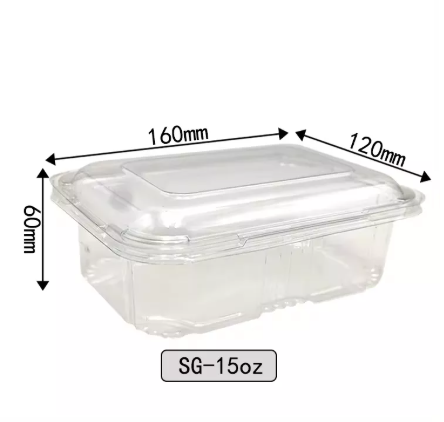
One of the biggest struggles when storing food containers is the challenge of keeping lids and containers together. Containers often come in various shapes and sizes, making it difficult to stack them neatly without causing them to topple over. When lids are kept together with their containers, the stack becomes even more unstable.
To optimize storage space, it's essential to separate lids and containers. Storing lids separately can prevent them from getting in the way of stacking containers and allow them to fit more snugly together, reducing the risk of clutter and instability. This way, you’ll always have easy access to both the lids and the containers you need. For a cleaner, more organized space, grouping lids and containers separately will maximize your storage capacity and improve accessibility. This simple step ensures that your kitchen remains neat and efficient while also making it much easier to retrieve the items you use most often.
Food containers are available in an array of sizes and shapes, from small round containers to large rectangular ones. This variety can make it challenging to find suitable storage solutions that fit them all.
One solution is to categorize containers based on their size and shape. This allows you to group similar items together, which helps in reducing the clutter and makes it easier to locate the container you need. For example, store smaller containers together and larger ones separately to prevent them from taking up too much space. Stackable containers can be a great solution here, as they take up less room and are easier to manage when stacked properly. Additionally, labeling each set of containers with their size or function can further improve your system's organization and efficiency, especially when dealing with large collections.
Here’s a quick reference table for organizing different container types:
| Container Type | Best Storage Method | Recommended Storage Solution |
|---|---|---|
| Small Round Containers | Stack together, nested | Small baskets or drawer dividers |
| Large Rectangular Containers | Stack neatly by size | Deep drawers with pull-out baskets |
| Clear Containers | Stack or store by size | Open shelves or transparent bins |
| Irregular Shape Containers | Store by size or shape | Adjustable shelving or baskets |
| Lids | Separate, store vertically | Magazine holders, drawer dividers |
As mentioned earlier, separating containers from their lids is one of the most effective ways to store them. It not only helps with space optimization but also makes it much easier to grab a container and its matching lid when you need it. Rather than fumbling through a pile of mismatched items, you’ll have two smaller piles to sift through, making the whole process more efficient.
Place all the containers in one place and organize the lids in a separate, accessible location. This system eliminates the frustration of trying to find a matching lid and helps keep everything neat. By organizing the containers and lids separately, you can reduce the amount of time spent searching for the right lid, making your kitchen more efficient. Furthermore, by having a dedicated space for both containers and lids, you avoid creating cluttered spaces where items get lost or misplaced, making your kitchen environment feel more organized and functional.
Drawers and baskets are a great way to organize food containers and lids without having to invest in expensive storage solutions. You can use shallow baskets or dividers in drawers to keep everything in order, preventing them from sliding around or becoming disorganized.
Baskets are particularly useful because they allow you to separate containers and lids without requiring a lot of additional space. In fact, using baskets can turn a chaotic cabinet or drawer into a neat and organized storage area. You can also use baskets of various sizes to fit different types of containers. Labeling your baskets or drawers can save you time and make the storage system even more effective, ensuring that you can quickly identify what’s inside. By implementing this system, you also create a method that everyone in your household can easily follow, making it a universally understood organization method.
Clear containers are a game-changer when it comes to organizing your food storage items. Unlike opaque containers, clear ones allow you to see what’s inside without having to open them up. This feature makes it easier to find the container you need quickly, saving time and reducing frustration, especially during busy meal prep.
By using clear containers, you can organize your kitchen more efficiently, as they allow for easy visibility and access. This is particularly useful when you have a large collection of containers in various sizes and shapes. Transparent containers help you avoid wasting time searching through a pile of containers, enabling a smoother and more streamlined process when prepping or storing food. Moreover, clear containers tend to look more aesthetically pleasing and can give your kitchen a more cohesive, clean look. This added benefit makes clear containers a must-have for any well-organized kitchen.
| Container Material | Key Benefits | Ideal Usage |
|---|---|---|
| Glass | Non-reactive, won’t absorb odors, recyclable | Storing fats, liquids, leftovers |
| Stainless Steel | Durable, non-reactive | Raw proteins, portable meals |
| Ceramic | Non-reactive, holds heat well | Dry goods, Paleo baked goods |
| Silicone | Flexible, airtight seal, non-toxic | Snacks, small meals on the go |
| Bamboo/Wood | Sustainable, natural, lightweight | Short-term storage of dry goods |
The type of drawer you use for storing food containers makes a big difference in how organized your kitchen can be. Smaller drawers are great for storing containers of similar sizes, while larger drawers can be used to store bigger containers or those with irregular shapes. Having drawers that cater to specific container sizes can help avoid overcrowding and ensure easy access.
To make the most of drawer space, consider using dividers to separate different sizes of containers. This will prevent items from getting mixed up and allow you to maintain an organized drawer that’s easy to navigate. If you have deep drawers, using pull-out organizers or baskets can be an excellent way to maximize space while keeping everything neatly separated. These systems ensure that you don’t lose track of smaller containers or lids that might get buried beneath larger items.
Not every kitchen has an abundance of drawer space, so shelves and cabinets become crucial for storing food containers. The key is to maximize vertical space. Shelves can be used to store containers, while baskets or organizers can be placed on the shelves to keep lids separate. Adjustable shelves are particularly useful in this case because they can accommodate different container sizes, making it easy to adapt as your collection of food storage containers grows.
Use adjustable shelving or expandable racks that can accommodate different container sizes. You can also stack containers neatly, making sure to place the largest ones at the bottom and the smaller ones on top to prevent them from falling over. By stacking containers in an orderly way, you create more room on your shelves for other kitchen items. Additionally, if you use baskets, label them clearly to indicate their contents, helping to speed up the process of finding the right container or lid.
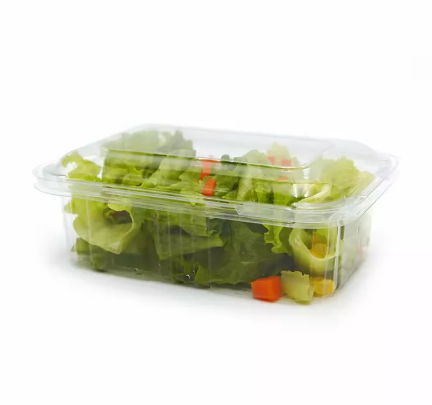
While there are plenty of fancy storage solutions available, they are often unnecessary and not suitable for every kitchen. Instead of investing in expensive organizational tools like custom containers or lid organizers, simple and affordable solutions can work just as well.
Baskets, drawer dividers, and simple shelf organizers can effectively keep your food containers and lids in order without the need for high-cost systems. These options are flexible, cost-effective, and easy to implement in any kitchen. By using budget-friendly solutions, you can keep your kitchen organized without overspending. These simple methods can still provide an organized and functional kitchen, without the added stress of managing overly complicated or costly systems.
You don’t need to buy expensive organizers to keep your kitchen tidy. Many household items can be repurposed for food container storage. For example, magazine holders can be used to store lids, while old shoeboxes can hold smaller containers. Repurposing items you already have around the house not only saves money but also helps you make better use of what you already own.
Repurposing household items for storage is not only cost-effective but also a sustainable choice. It allows you to reuse items you already have, while still keeping your kitchen organized and clutter-free. Consider using items like cereal boxes, old trays, or baskets to store your containers and lids in a practical and eco-friendly way. This sustainable approach to storage helps reduce waste and ensures that your kitchen is organized without having to buy unnecessary items.
Labeling is one of the easiest and most effective ways to improve storage efficiency. By labeling baskets, drawers, or containers, you can quickly find what you need without wasting time searching through piles of disorganized items. Clear and consistent labeling helps everyone in your household easily locate the right container and lid, making it easier to maintain the system in the long run.
Labels can be used to indicate the size of the container, its contents, or even which lid goes with which container. This small step can make a big difference in how easy it is to manage your kitchen storage. Using durable labels or a label maker will ensure that the labels stay intact and readable over time, making your kitchen even more organized. In the long run, this simple step will save time and help your kitchen stay consistently tidy.
As your collection of food containers grows, it’s important to have a storage system that can accommodate new additions. Leave room in your storage space for extra containers and lids, so you don’t end up with a cluttered kitchen. This planning will prevent you from needing to reorganize every time you add new containers.
When planning your storage, consider the potential growth of your collection and ensure that your storage system is flexible enough to adapt as you accumulate more containers. This forward-thinking approach will save you from the headache of constantly reorganizing as your collection expands. Having extra space in your system means that you'll always be prepared for new containers without causing unnecessary clutter, making your kitchen more functional and future-proof.
Organizing food containers and lids doesn’t need to be a challenge. By separating lids from containers, using clear containers, and maximizing available space, you can achieve a neat and efficient kitchen. These strategies will not only improve your kitchen’s flow but also reduce the time spent searching for items. Consistently applying these methods creates a more organized kitchen, making meal prep and cooking more enjoyable.
For businesses seeking high-quality storage solutions, Lixin Plastic Packing Company offers a variety of durable and versatile plastic containers that provide excellent value for your kitchen storage needs.
A: To store food containers and lids efficiently, separate the lids from containers and store them vertically. Use baskets or drawer dividers to keep everything organized. Stack similar-sized containers to maximize space.
A: Separating food containers from lids helps prevent them from toppling over when stacked. It also makes it easier to find matching lids and containers quickly, keeping your kitchen organized.
A: Group food containers by size and shape. Use adjustable shelving or baskets to store containers by their specific category. This helps reduce clutter and ensures easier access.
A: Yes, clear food containers make it easier to locate items without opening each one. They improve visibility, reduce time spent searching, and help keep your kitchen more organized.
A: To prevent mismatched food containers and lids, use a dedicated storage area for lids and a separate one for containers. Regularly declutter and reorganize your storage area.
A: For large food containers, use deep drawers with pull-out baskets or adjustable shelving. This allows for better organization and easier access to larger items.


