

close
Choose Your Site
Global
Social Media


Do you ever wonder if your food containers are safe in the microwave? With so many options available, it’s easy to overlook potential risks. One common material used in containers is Polypropylene (PP 5).
In this article, we’ll explore whether PP 5 plastic is safe for microwaving, its potential risks, and alternatives for a safer experience. You'll understand how to use PP 5 containers wisely and when to consider other options.
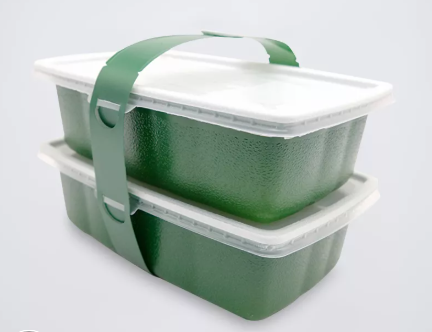
PP 5, also known as Polypropylene, is a durable and versatile plastic commonly used for food containers. It’s lightweight, resistant to heat and moisture, and is BPA-free, making it a popular choice for storing food. These containers are found in various applications, from yogurt cups to lunchboxes, and are frequently used in food packaging and takeaway containers.
PP 5 plastic is often chosen because it combines practicality and safety for consumers. It’s typically found in everyday household items due to its strength and affordability, from small food storage containers to larger takeaway packaging. With its ability to endure daily wear and tear, PP 5 continues to serve as one of the most reliable plastics used for food storage.
PP 5 plastic stands out due to its high melting point, which makes it more heat-resistant than many other plastics. Unlike PVC (Polyvinyl Chloride) or PET (Polyethylene Terephthalate), PP 5 plastic is less likely to warp or melt at microwave temperatures. It’s also free from harmful chemicals like BPA, making it a safer option for storing food. This makes PP 5 plastic a reliable material for food containers, particularly in settings like the kitchen and takeout packaging.
Heat Resistance: PP 5 plastic has a high melting point (about 160°F or 71°C), allowing it to withstand typical microwave temperatures without issues. This makes it highly suitable for reheating or microwaving food items.
Chemical Resistance: It resists many chemicals, making it safe for storing a variety of foods, including acidic or oily substances that might interact poorly with other types of plastics.
BPA-Free: PP 5 plastic does not contain Bisphenol A (BPA), which has been linked to potential health risks. BPA is often found in other plastics like polycarbonate (PC), which can leach into food and beverages, especially when exposed to high temperatures.
The following table summarizes how PP 5 compares to other common plastics in terms of key properties.
| Property | PP 5 (Polypropylene) | PET (Polyethylene Terephthalate) | PVC (Polyvinyl Chloride) | PC (Polycarbonate) |
|---|---|---|---|---|
| Heat Resistance | High (160°F / 71°C) | Moderate | Low | High |
| Chemical Resistance | High | Moderate | Low | Moderate |
| BPA-Free | Yes | Yes | No | No |
| Common Uses | Food containers, packaging | Bottles, containers | Pipes, flooring | Reusable containers |
PP 5 plastic is generally considered microwave-safe due to its high heat tolerance. It can endure the heat produced by microwaves without melting or releasing harmful chemicals. This makes it a great option for reheating leftovers or heating meals in food containers. When used correctly, PP 5 can handle microwave exposure without any significant issues, making it a preferred choice for food packaging.
However, it’s important to note that not all PP 5 containers are created equal. Some containers may not be labeled as microwave-safe, which could pose a risk. Always check for the appropriate labels before microwaving, as there could be variations in the quality of the material used in different products.
Many PP 5 plastic containers come with the microwave-safe symbol, which is a simple, wavy line icon. This indicates that the container has been tested and approved for microwave use. If your container has this label, it is generally safe to use in the microwave. However, containers without this label should be avoided, as they may not have undergone safety testing. The symbol assures consumers that the container will not melt or leach harmful substances when exposed to microwave heat.
Tip: Always check for the microwave-safe symbol to ensure your container can withstand the heat from microwaving. This symbol guarantees that the container is safe to use in the microwave.
The following table shows which materials are microwave-safe and which should be avoided.
| Material | Microwave Safe? | Notes |
|---|---|---|
| PP 5 (Polypropylene) | Yes | Typically microwave-safe if labeled. |
| PET (Polyethylene Terephthalate) | Yes | Safe for short microwaving sessions. |
| PVC (Polyvinyl Chloride) | No | Releases harmful chemicals when heated. |
| Polycarbonate (PC) | No | Contains BPA; harmful at high temperatures. |
| Glass | Yes | Durable, non-reactive, and microwave-safe. |
| Ceramic | Yes | Must be labeled microwave-safe to avoid sparking. |
While PP 5 plastic is generally microwave-safe, there are still some risks associated with its use. Prolonged exposure to high heat can cause the plastic to degrade, especially if the container is old or damaged. This can lead to warping, cracking, or chemical leaching.
Degradation of Plastic: Overheating or repeated use can cause PP 5 containers to lose their structural integrity. Once a container begins to warp or crack, it may no longer be safe to use in the microwave, as it could break down and leach chemicals into the food.
Chemical Leaching: Although PP 5 is free from BPA, prolonged exposure to high heat can lead to the release of trace chemicals, especially if the plastic is old or scratched. These chemicals, while usually minimal, could potentially affect food safety and health if the containers are repeatedly used in harsh conditions.
When using PP 5 containers in the microwave, it’s important to choose those labeled as microwave-safe. These containers have been tested to ensure that they can withstand the heat of a microwave without degrading. Always check the bottom of the container for the microwave-safe symbol or labels. It’s best to purchase containers specifically designed for microwave use to avoid unnecessary risks.
If you’re unsure whether your container is microwave-safe, you can always refer to the manufacturer’s guidelines or perform a simple test by microwaving a small amount of water in the container to see if it heats evenly without damage.
To ensure that you are using your PP 5 containers safely in the microwave, follow these best practices:
Avoid Long Durations: Do not microwave food for extended periods. Heat food in short intervals to prevent overheating. If your container is not marked as microwave-safe, avoid microwaving food for more than 1-2 minutes at a time.
Check for Damage: Inspect your containers regularly for any cracks, discoloration, or wear. Damaged containers should be discarded immediately as they may release harmful substances or become unsafe to use.
Use Ventilated Lids: If using a PP 5 container with a lid, make sure to leave the lid slightly vented to allow steam to escape. This prevents pressure buildup and reduces the risk of container deformation during microwaving.
It’s important to check your PP 5 containers for any damage before microwaving. Common signs of damage include:
Cracks: If the container has visible cracks, it should not be used in the microwave as it may break under heat, potentially releasing harmful chemicals.
Discoloration: If the container has changed color or looks warped, it may be degraded and unsafe to use. Always inspect for these signs before microwaving.
Brittleness: Over time, plastic can become brittle, which increases the risk of breakage. If the container feels fragile or cracked, avoid using it in the microwave.
The following table outlines best practices for safely using PP 5 containers in the microwave.
| Best Practice | Description |
|---|---|
| Check for Microwave-Safe Label | Ensure the container is marked as microwave-safe. |
| Avoid Long Heating Durations | Heat food in short intervals to prevent overheating. |
| Inspect for Cracks or Damage | Discard containers that show wear, cracks, or discoloration. |
| Use Ventilated Lids | Allow steam to escape and prevent pressure buildup. |
| Do Not Overheat | Overheating can cause the plastic to degrade or release chemicals. |
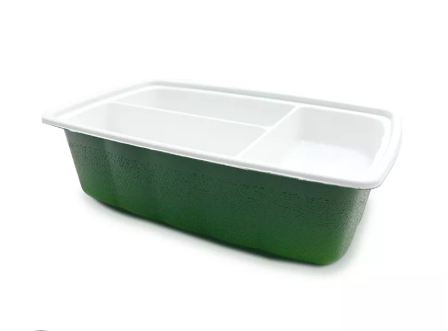
While PP 5 plastic is BPA-free, it is not entirely free from risks. Overheating or prolonged exposure to high heat can cause certain chemicals to leach from the plastic into your food. This is particularly a concern if the container is damaged or if it is exposed to heat for extended periods. Though minimal, these chemical traces could accumulate over time and pose health risks.
Chemical Leaching: Although PP 5 does not contain BPA, it may still release small amounts of chemicals when subjected to high temperatures for prolonged periods. These chemicals could potentially affect food safety and health if the containers are repeatedly used in harsh conditions.
High-fat and high-sugar foods can reach higher temperatures in the microwave than water-based foods. This increased heat can cause PP 5 containers to degrade faster, raising the risk of chemical leaching.
High-Fat Foods: Foods like oils, butter, or cheese can heat up quickly and potentially cause the plastic to release trace chemicals. For example, reheating greasy food like bacon or cheese-heavy dishes in PP 5 containers may not always be safe, even if the container is labeled microwave-safe.
PP 5 plastic is generally safe for microwave use when handled correctly. It can withstand typical microwave temperatures without releasing harmful chemicals. However, it’s crucial to check for the microwave-safe label, avoid overheating, and inspect containers for damage to ensure safety.
While PP 5 offers convenience and safety, alternatives like glass or silicone containers can reduce potential health risks associated with plastic. By making informed choices, you can maintain safety when using food containers in the microwave.
Lixin Plastic Packing Company offers high-quality, microwave-safe packaging solutions. Their products provide excellent durability and safety, ensuring that your food containers remain safe and functional for daily use.
A: Yes, PP 5 plastic is generally safe for microwave use. It can withstand typical microwave temperatures without melting or releasing harmful chemicals, making it a reliable option for food containers.
A: Yes, food containers made from PP 5 plastic are microwave safe, provided they are labeled as such. Always check for the microwave-safe symbol before microwaving.
A: PP 5 food containers are heat-resistant, BPA-free, and chemical-resistant, making them a safe and durable choice for storing and microwaving food.
A: PP 5 plastic is heat-resistant and does not release harmful chemicals under normal microwave conditions, making it safer than many other plastics.
A: While generally safe, PP 5 containers can degrade over time with frequent heating. Always check for damage, cracks, or discoloration before microwaving.
A: Look for the microwave-safe symbol on the container. If it’s not labeled, it’s best not to microwave it, as it may not have been tested for safety.
A: Yes, PP 5 containers can store various foods, including acidic and oily substances. However, avoid prolonged exposure to high heat, especially for high-fat foods.


