

close
Choose Your Site
Global
Social Media

Views: 0 Author: Site Editor Publish Time: 2025-12-12 Origin: Site


Did you know that plastic waste from takeout containers contributes significantly to global pollution? With growing environmental concerns, businesses are seeking sustainable alternatives. Recyclable plastic food containers have emerged as a key solution in reducing waste while maintaining food quality.
In this article, we will explore the importance of recyclable plastic food containers in the takeout industry. We’ll dive into their benefits, key features, and why businesses are increasingly choosing these eco-friendly options.
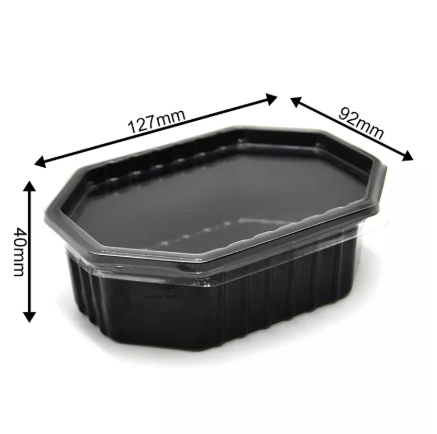
Recyclable plastic food containers are packaging products made from materials that can be processed and reused after their initial use. These containers are commonly used in restaurants, catering services, and takeout businesses for packaging food, particularly in bulk. As these containers can be reprocessed and recycled, they provide a more sustainable solution compared to traditional single-use plastic containers.
Recyclable plastic containers are designed to be durable, safe for food contact, and capable of being reused in the recycling process. They come in various shapes and sizes to cater to different types of food and consumer needs. These containers are made from materials such as PET (polyethylene terephthalate), HDPE (high-density polyethylene), and polypropylene, each offering specific benefits, such as strength, leak-proof seals, and resistance to temperature fluctuations. By using recyclable materials, businesses contribute to reducing the volume of waste and can help close the loop in the plastic production lifecycle.
The most commonly used recyclable plastics for food containers include:
PET (Polyethylene Terephthalate): Widely used due to its clarity, lightweight properties, and excellent moisture barrier, PET is ideal for packaging cold food items such as salads, snacks, and beverages. PET containers are also accepted in many recycling programs, which increases their appeal as a sustainable choice.
HDPE (High-Density Polyethylene): Known for its durability and ability to withstand higher temperatures, HDPE is perfect for both cold and hot food packaging. Its resistance to impact and potential for reuse make it one of the best options for food businesses focused on durability and environmental responsibility.
Polypropylene (PP): Often used for containers that require microwave-safe features, PP is flexible and resistant to chemicals, making it ideal for soups and sauces. As it is one of the most versatile plastics, PP containers are particularly popular in the food service industry.
Here’s a comparison of these materials and their uses:
| Material | Characteristics | Ideal For | Recycling Programs |
|---|---|---|---|
| PET | Clear, lightweight, moisture barrier | Cold food (salads, beverages) | Widely accepted |
| HDPE | Durable, high-temperature resistance | Hot and cold foods (soups, dairy) | Commonly accepted |
| Polypropylene (PP) | Flexible, microwave-safe | Soups, sauces, takeout containers | Recyclable in many regions |
While recyclable plastic containers can be reused and processed for recycling, single-use plastics are designed for one-time use and disposal. Recyclable containers reduce the overall environmental burden by allowing the material to be reused, whereas single-use plastics contribute to landfill waste and pollution. The shift to recyclable containers is crucial for businesses aiming to reduce their ecological footprint and appeal to the growing segment of eco-conscious consumers.
Adopting recyclable plastic food containers offers numerous advantages for businesses looking to improve sustainability, save costs, and meet consumer demands for environmentally-friendly products. As the trend towards sustainability grows, more businesses are seeking eco-friendly alternatives that align with their values and those of their customers.
| Benefit | Explanation |
|---|---|
| Environmental Impact | Reduces plastic waste and carbon emissions through recycling. |
| Brand Image | Attracts eco-conscious customers, boosting brand reputation. |
| Cost Savings | Reduces the need for constant repurchasing of disposable packaging. |
| Convenience | Stackable design for easy storage and transportation. |
One of the most compelling reasons to choose recyclable plastic containers is their positive impact on the environment. By using recyclable plastics, businesses can help reduce the amount of plastic waste sent to landfills and oceans. In fact, recycling plastic reduces the need for virgin plastic production, which is resource-intensive and contributes significantly to carbon emissions. Additionally, recycling these materials helps lower the carbon footprint compared to producing new plastic containers, which often requires more energy and resources. This not only benefits the planet but also aligns with global efforts to combat climate change.
In today’s market, consumers are increasingly looking for businesses that prioritize sustainability. Using recyclable food containers allows brands to showcase their commitment to environmental responsibility. Companies that make sustainable choices can attract eco-conscious customers, improve their reputation, and even gain a competitive edge in the industry. Moreover, sustainability has become a key factor in purchasing decisions, with consumers more willing to support brands that reflect their values. By embracing recyclable food containers, businesses can build stronger customer loyalty and enhance their brand image.
While some eco-friendly packaging options may come with higher upfront costs, recyclable plastic containers are often more cost-effective in the long run. These containers are durable, reusable, and can be processed for recycling, reducing the need for constant repurchasing of disposable packaging materials. Additionally, many businesses have found that using recyclable containers not only helps them save on waste disposal costs but also offers greater efficiency in their operations, as these containers often come in stackable designs that optimize storage and reduce shipping expenses.
Choosing the right recyclable plastic containers is crucial for maintaining food quality, ensuring ease of use, and meeting sustainability goals. The selection process should involve evaluating food requirements, environmental impact, and consumer expectations.
Different foods have specific packaging needs. For example, cold foods such as salads and sandwiches require containers that maintain freshness without leaking or spoiling the food. Hot foods, like soups or curries, need containers that can withstand higher temperatures. By understanding these needs, businesses can select the most suitable recyclable plastic container for each type of food. Selecting the right container will help enhance customer satisfaction and ensure that the food remains safe during transit.
To preserve the quality and freshness of food, containers must feature airtight, leak-proof seals. This is especially important for foods that contain liquids or are sensitive to air exposure. Recyclable plastic containers with overlapping lids provide the best protection against spills and help keep food fresh longer. These containers also reduce food waste, which contributes to sustainability efforts by ensuring that the packaged food reaches the customer in its best possible condition.
Recyclable plastic containers are available in various materials, each suited for different temperature ranges. For instance, PET containers are best for cold food items, while polypropylene containers are ideal for both hot and cold foods. Ensure that the selected containers meet your food temperature needs to prevent degradation and enhance customer satisfaction. Offering the right packaging for various types of food will allow businesses to expand their product offerings and cater to a wider range of consumer preferences.
Here’s a comparison of the temperature adaptability of different materials:
| Material | Temperature Range | Best Use Case |
|---|---|---|
| PET | Up to 50°C (122°F) | Cold foods (salads, cold drinks) |
| HDPE | -40°C to 90°C (-40°F to 194°F) | Hot and cold foods (soups, dairy) |
| Polypropylene (PP) | -20°C to 120°C (-4°F to 248°F) | Hot and microwave-safe foods |
Like any product, recyclable plastic food containers come with their own set of benefits and challenges. It is important to weigh both when making decisions for your business.
Recyclable plastic containers offer exceptional durability, making them ideal for transporting heavy foods without cracking or breaking. Many of these containers feature leak-proof seals, ensuring no spills during transit. Additionally, their stackable design makes them easy to store and transport, optimizing space and improving efficiency. These features contribute to a smoother operation, making recyclable plastic containers a practical choice for businesses.
While recyclable plastic containers offer numerous environmental benefits, there are challenges in the recycling process. Not all plastics are recyclable in every region, and contamination from food residues can hinder the recycling process. It is important to educate consumers and staff about proper disposal methods to ensure these containers are recycled effectively. Additionally, certain types of recyclable plastics may not be accepted in every facility, requiring businesses to stay informed about local recycling programs and guidelines.
To overcome recycling challenges, businesses can work with local recycling facilities to understand what can and cannot be processed. Offering clear guidelines on cleaning and disposal can also help improve the recycling rate of plastic containers. Additionally, partnering with companies that use post-consumer recycled materials (PCR) can further enhance sustainability efforts and reduce reliance on virgin plastic.
Recyclable plastic containers are used across various industries, not just in foodservice, thanks to their versatility and eco-friendly properties.
Recyclable plastic containers are widely used in restaurants, cafes, and takeout services. They are perfect for packaging a wide range of foods, including salads, pasta, sandwiches, and desserts. Their durability ensures that food remains fresh, and their ease of use helps streamline foodservice operations. Offering these containers allows businesses to meet the demand for eco-friendly options without sacrificing food quality or service speed.
In addition to foodservice, recyclable plastic containers are also used in supermarkets and cafes for packaging bulk products, snacks, and prepared meals. Their transparency and leak-proof design make them ideal for food storage and display, ensuring that products remain fresh and visible to customers. These containers are also used in various industries for storing and packaging non-food items that require durability and protection.
When selecting recyclable plastic containers, businesses should consider the specific needs of their food products. Key factors include material type (e.g., PET for cold foods), capacity (to accommodate portion sizes), and design (to prevent leaks and maintain freshness). Choosing the right container can enhance customer experience and optimize food storage. The container’s design should also align with the brand’s image, ensuring it appeals to consumers.
Proper usage and recycling of recyclable plastic containers are essential for maximizing their environmental benefits.
Containers are usually marked with recycling symbols that indicate the type of plastic used. These symbols help consumers identify which materials can be recycled in their local area. Additionally, some containers come with labels or instructions on how to properly dispose of them. This labeling helps increase consumer participation in recycling programs, further contributing to sustainability efforts.
To ensure that recyclable plastic containers are processed correctly, it’s crucial to clean them before disposal. Residual food or grease can contaminate the recycling stream, making the container unsuitable for reuse. Encourage staff and customers to rinse containers thoroughly before recycling. This practice will improve recycling efficiency and ensure that containers are reused in the most effective way possible.
Recycling practices vary by region, so it’s important to understand local recycling guidelines. Businesses can work with local recycling facilities to ensure that their recyclable containers are processed correctly. Providing customers with clear recycling instructions can help increase the effectiveness of these efforts. By working together, businesses, local authorities, and consumers can ensure that recyclable plastic containers are properly disposed of and reused.The following table provides a quick overview of recycling guidelines for different materials:
| Container Material | Local Recycling Facility Guidelines | Household Recycling Practices |
|---|---|---|
| PET | Accepted in curbside programs, clean before recycling. | Rinse before recycling. |
| HDPE | Widely accepted, check for local facility requirements. | Can be recycled in many areas. |
| Polypropylene (PP) | Often requires drop-off at specialized centers. | Rinse containers to avoid contamination. |
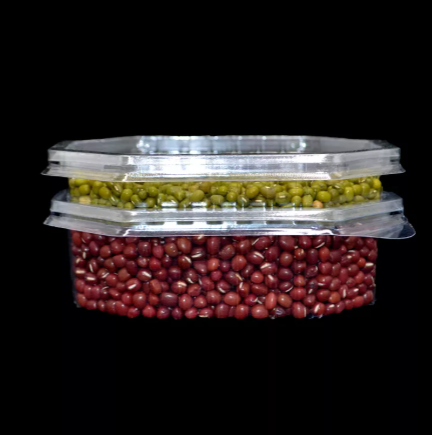
Recyclable plastic food containers are becoming a top choice for businesses looking to provide eco-friendly packaging solutions. One such product is the 250ml (8.8oz) Disposable Takeaway Plastic Snack Box, designed for small-volume snack and dressing packaging. Ideal for use in restaurants, snack bars, and catering services, this container is perfect for cold dishes like salads, dressings, and dim sum.
Made from food-grade PET plastic, this container is suitable for both room temperature and frozen food storage. The octagonal design with a hinged lid ensures leak-proof performance, making it a reliable choice for packaging. Custom logos can be added to enhance brand visibility, and the stackable design offers convenience in storage and transport.
In addition to the snack box, there are premium plastic food containers with airtight lids. These containers are perfect for meal prep, portion control, food storage, and more. They are microwave-safe and durable, making them versatile for various uses such as lunch containers, soup containers, or travel containers.
Leakproof and Airtight: The airtight lids seal in freshness, ensuring no leaks or spills during transit.
Stackable Design: The containers are easy to stack, making them ideal for storage in fridges, freezers, or for transportation.
Versatile: Suitable for packaging a wide range of foods, including rice, noodles, pasta, sauces, and more.
Eco-Friendly: These containers help businesses reduce their environmental impact while offering cost-effective, durable packaging solutions.
Recyclable plastic food containers provide businesses with a practical, sustainable solution for packaging takeout in bulk, offering benefits like durability, leak-proof performance, and environmental responsibility.
Recyclable plastic food containers for takeout in bulk offer businesses a smart, eco-friendly solution. As demand for sustainable packaging increases, adopting these containers helps reduce waste and improve environmental impact. By selecting the right materials and working with recycling facilities, businesses can enhance their brand image and contribute to a sustainable future. Products like those from Lixin Plastic Packing Company provide durability and value, offering effective packaging solutions for food businesses.
A: Recyclable plastic food containers are designed for holding and transporting food. These containers can be reused or processed for recycling, offering a sustainable option for businesses that provide takeout in bulk.
A: Recyclable plastic food containers help reduce waste, meet consumer demand for eco-friendly packaging, and enhance brand reputation. They also provide a durable solution for food packaging.
A: Unlike single-use containers, recyclable food containers can be processed for reuse, reducing landfill waste and lowering environmental impact. They also tend to be more durable and leak-proof.
A: The main benefits include reduced environmental impact, cost savings, and improved brand image. Recyclable food containers help businesses meet sustainability goals while offering practicality and durability.
A: Yes, recyclable plastic food containers are designed to be food-safe. Materials like PET and HDPE are commonly used for cold and hot foods, offering safe packaging solutions for takeout.
A: The cost of recyclable plastic food containers varies based on size, material, and order volume. However, they are often more cost-effective in the long run compared to single-use packaging options due to durability and recyclability.
A: Some recyclable plastic containers, particularly those made from polypropylene (PP), are microwave-safe. Always check the container’s specifications before use.


