

close
Choose Your Site
Global
Social Media

Views: 0 Author: Site Editor Publish Time: 2025-12-17 Origin: Site


Food packaging plays a crucial role in preserving the quality and safety of food products. It protects from contamination and extends shelf life, ensuring that products reach consumers in optimal condition. As consumer preferences evolve, so does the demand for innovative, sustainable packaging solutions.
In this article, we will explore the Top 5 food packaging container manufacturers, focusing on their leading-edge solutions. You will learn how these companies meet the needs of the food industry with sustainable and effective packaging choices.
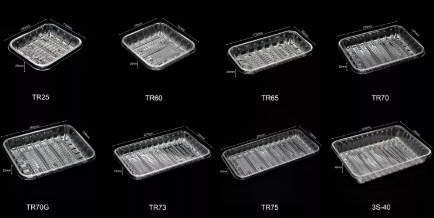
Choosing the right food packaging manufacturer is not just about finding the best price. It involves evaluating several factors that affect both the product's quality and the overall brand reputation. The food packaging industry has seen rapid growth and changes due to shifts in consumer preferences, environmental concerns, and the growing importance of regulatory compliance.
Packaging is critical in maintaining the safety and longevity of food products. Proper packaging protects food from contaminants, oxygen, and moisture, all of which can contribute to spoilage. This is especially important for perishable products, like fresh produce, dairy, and meats, which require packaging solutions that extend their freshness during storage and transport. The materials and technologies used in packaging, such as vacuum sealing and modified atmosphere packaging (MAP), significantly influence the shelf life of these products.
Packaging materials that provide airtight seals, like vacuum-sealed options, help preserve freshness and prevent contamination, which is essential for perishable items. By choosing the right packaging, food manufacturers can ensure that their products reach consumers in the best possible condition.
Consumers are increasingly concerned with environmental issues, leading to a surge in demand for sustainable packaging solutions. As concerns about plastic waste and environmental impact continue to grow, manufacturers are responding by adopting eco-friendly materials like biodegradable plastics, recyclable paper, and aluminum. These materials not only reduce the environmental footprint of packaging but also align with the growing consumer expectations for sustainable practices and responsible sourcing.
The food packaging industry has made significant strides in reducing plastic waste by shifting toward materials that are recyclable, compostable, or made from renewable resources. This shift is not only beneficial for the environment but also provides companies with an opportunity to enhance their brand image and appeal to environmentally conscious consumers.
Food packaging manufacturers must comply with strict regulations to ensure their products are safe for consumers. In the U.S., the FDA regulates food packaging materials to ensure they do not leach harmful substances into food. These regulations ensure the safety and quality of food products and protect public health.
ISO 22000 is another important certification that ensures a food packaging company follows rigorous food safety standards. ISO 22000 certification confirms that a manufacturer’s processes meet international food safety standards and that they prioritize consumer health. Adherence to these regulations helps protect public health and ensures product quality. Always verify that your packaging supplier holds the necessary certifications before making a purchasing decision, as this will give you confidence in the quality and safety of the packaging materials they provide.
| Manufacturer | Key Focus Areas | Key Features | Eco-friendly Initiatives |
|---|---|---|---|
| Lixin Plastic Packing Company | Custom plastic packaging | High-quality, recyclable materials, extends shelf life | Biodegradable plastics, recyclable packaging solutions |
| Graphic Packaging International | Paperboard packaging for food and beverages | Sustainable paperboard, lightweight, cost-effective | Responsibly sourced wood fibers, fully recyclable |
| Sealed Air Corporation | Vacuum-sealed packaging | Extends shelf life for perishable foods | Focus on reducing food waste, energy-efficient processes |
| Ball Corporation | Aluminum packaging for beverages | 100% recyclable aluminum cans, lightweight | Uses recycled materials, promotes recycling |
| Crown Holdings | Metal packaging for safety | Durability, high protection for liquid foods | Fully recyclable metal packaging |
As one of the leading players in the global food packaging industry, Lixin Plastic Packing Company is recognized for offering innovative and eco-friendly plastic packaging solutions. They specialize in high-quality custom packaging that protects food, extends shelf life, and ensures it reaches consumers in optimal condition.
Lixin offers a range of packaging solutions, from flexible pouches for snacks to rigid containers for beverages, all made from materials that are recyclable and sustainable. Their packaging solutions are tailored to meet the specific needs of different food industries, providing a high level of protection against contamination and moisture while maintaining the freshness of the product.
In an industry where sustainability is increasingly a priority, Lixin’s commitment to using eco-friendly materials, such as biodegradable plastics and recycled content, aligns with the broader trend of reducing environmental impact. Whether you need packaging for snacks, beverages, or ready-to-eat meals, Lixin ensures that their solutions meet the highest safety and environmental standards.
Tip: Choose Lixin Plastic Packing Company if you want custom packaging solutions that prioritize food safety and sustainability. Their innovative approaches can help your brand meet consumer demand for eco-friendly packaging while ensuring product integrity.

Graphic Packaging International is one of the leaders in paperboard packaging, offering flexible and sustainable solutions for the food and beverage industries. Known for their eco-friendly paperboard and cartons, Graphic Packaging combines convenience with sustainability, meeting the growing demand for environmentally conscious packaging.
Their paper-based solutions are widely used for products like cereals, snacks, and beverages. The company’s paperboard packaging is made from responsibly sourced wood fibers and is fully recyclable. Additionally, Graphic Packaging has invested in creating lightweight cartons that reduce material use while maintaining product protection, further contributing to sustainability efforts.
Sealed Air Corporation is a global leader in protective packaging, specializing in vacuum-sealed food packaging. Their Cryovac brand is widely recognized for its ability to extend the shelf life of perishable products like meat, dairy, and produce. Vacuum sealing removes air from the packaging, preventing spoilage caused by oxygen, and helps reduce food waste.
Sealed Air’s vacuum-sealed solutions are ideal for businesses looking to ensure the freshness and quality of perishable foods during distribution and storage. By reducing the need for preservatives and increasing the product's shelf life, these packaging solutions help both manufacturers and retailers reduce waste and improve efficiency.
Ball Corporation is a leader in aluminum packaging, particularly for beverages. Their aluminum cans are 100% recyclable and offer a sustainable alternative to plastic packaging. Aluminum is not only lightweight but also protects the contents from light and oxygen, preserving the taste and quality of beverages longer than other packaging materials.
Ball’s commitment to sustainability is evident in their continuous efforts to reduce environmental impact, from using recycled materials in production to creating fully recyclable packaging solutions. The company also works to reduce energy use and improve recycling rates, contributing to a circular economy where materials can be reused.
Crown Holdings is known for its metal packaging solutions, which offer durability, safety, and extended shelf life for food products. Their metal cans are commonly used for beverages, soups, and canned vegetables. Metal packaging is ideal for maintaining the quality of liquid foods, as it provides a high level of protection against external elements that can lead to contamination.
Crown's focus on sustainability has led them to develop metal packaging solutions that are not only durable and safe but also fully recyclable. Their products provide the protection needed to keep food fresh while minimizing environmental impact. By choosing metal packaging, food manufacturers can offer consumers a product that’s both safe and environmentally friendly.
| Packaging Type | Best For | Advantages | Environmental Impact |
|---|---|---|---|
| Biodegradable | Single-use items (snack bags, takeout) | Reduces plastic waste, made from plant-based materials | Compostable, eco-friendly |
| Paperboard | Cereal boxes, frozen foods | Lightweight, cost-effective, recyclable | Made from sustainably sourced wood fibers |
| Metal | Beverages, soups, canned goods | Durability, long-lasting protection, recyclable | 100% recyclable, energy-efficient production |
Biodegradable packaging is made from materials that can decompose naturally over time, helping to reduce the environmental footprint of food packaging. This type of packaging is especially useful for single-use applications, such as snack bags, takeout containers, and produce bags. Many biodegradable options are derived from plant-based materials, such as cornstarch or sugarcane, making them a more sustainable choice than traditional plastic packaging.
Paperboard is a versatile and sustainable material that is widely used in the packaging of dry and frozen foods. It’s lightweight, cost-effective, and easily recyclable, making it an ideal choice for products such as cereal boxes, frozen meals, and fast food packaging. Paperboard is often preferred by consumers due to its natural, recyclable qualities.
Metal packaging, including aluminum and steel, is commonly used for beverages and liquids. It offers a durable and safe way to preserve the quality and flavor of liquid foods like soups, juices, and sauces. Metal packaging is also fully recyclable, making it an environmentally friendly option. Metal is one of the most effective materials for preserving freshness and quality, as it protects products from external elements and helps maintain their flavor and texture.
| Factor | Description | Example Considerations |
|---|---|---|
| Material Choices | Type of packaging material used (biodegradable, paper, metal) | Biodegradable packaging for single-use items, metal for long shelf life |
| Lead Time and Cost | Time to deliver products and pricing strategy | Consider urgency and custom designs for special needs |
| Certifications | Industry certifications such as FDA approval or ISO 22000 | Ensures safety, food regulations, and quality standards |
Choosing the right materials for your packaging is crucial to ensuring product safety, extending shelf life, and meeting regulatory standards. Consider factors such as the type of food being packaged, storage conditions, and environmental impact when selecting a manufacturer. The right packaging material will not only protect the product but also align with your company’s sustainability goals.
Different packaging manufacturers offer varying lead times and price points. It's important to evaluate the total cost of ownership, including shipping and potential additional services like custom designs or rush orders. Compare quotes from multiple suppliers to ensure you're getting the best combination of cost, service, and quality.
Before finalizing a supplier, review feedback from other businesses and ensure the manufacturer holds necessary certifications like FDA approval and ISO 22000. Certifications provide assurance that the packaging supplier follows industry standards for safety and quality, which is crucial when it comes to food packaging.
As governments implement stricter regulations regarding packaging materials and waste, manufacturers are innovating to meet these requirements. Packaging solutions that are recyclable, biodegradable, or made from renewable resources are becoming the standard.
Smart packaging, which includes features like QR codes and temperature-sensitive labels, is gaining popularity. These technologies help businesses track the freshness and quality of their products in real-time. Smart packaging also provides consumers with added convenience, such as the ability to verify product authenticity and freshness via their smartphones.
Consumers are increasingly choosing products with eco-friendly packaging. This trend is driving manufacturers to adopt sustainable practices and materials, such as plant-based plastics and recyclable paperboard.
Tip: Keep up with consumer preferences for sustainability by offering packaging solutions that reduce waste and promote recyclability. This approach can significantly improve your brand's image and appeal to environmentally conscious consumers.
Choosing the right food packaging manufacturer is essential for ensuring product quality and sustainability. Top manufacturers like Lixin Plastic Packing Company, Graphic Packaging International, and Sealed Air Corporation provide innovative, eco-friendly solutions that meet market demands. Lixin Plastic Packing Company offers high-quality custom packaging solutions that prioritize sustainability and food safety. By evaluating material choices, service offerings, and environmental impact, businesses can align their packaging decisions with consumer expectations and build a strong brand reputation.
A: Food containers are packaging solutions used to store, preserve, and protect food products. They play a crucial role in extending shelf life, maintaining freshness, and preventing contamination.
A: To choose the best food packaging manufacturer, evaluate their material quality, sustainability efforts, and ability to meet your specific needs. Consider manufacturers like Lixin Plastic Packing Company, known for eco-friendly and custom packaging solutions.
A: Sustainable food packaging helps reduce environmental impact and meets consumer demand for eco-friendly products. It also aligns with brand values, contributing to a positive public image.
A: Eco-friendly food containers reduce plastic waste, are often recyclable or biodegradable, and help businesses meet consumer demand for sustainable practices.
A: Food containers help prevent contamination from bacteria, moisture, and light, ensuring that food remains safe for consumption throughout its shelf life.


