

close
Choose Your Site
Global
Social Media

Views: 0 Author: Site Editor Publish Time: 2025-10-13 Origin: Site


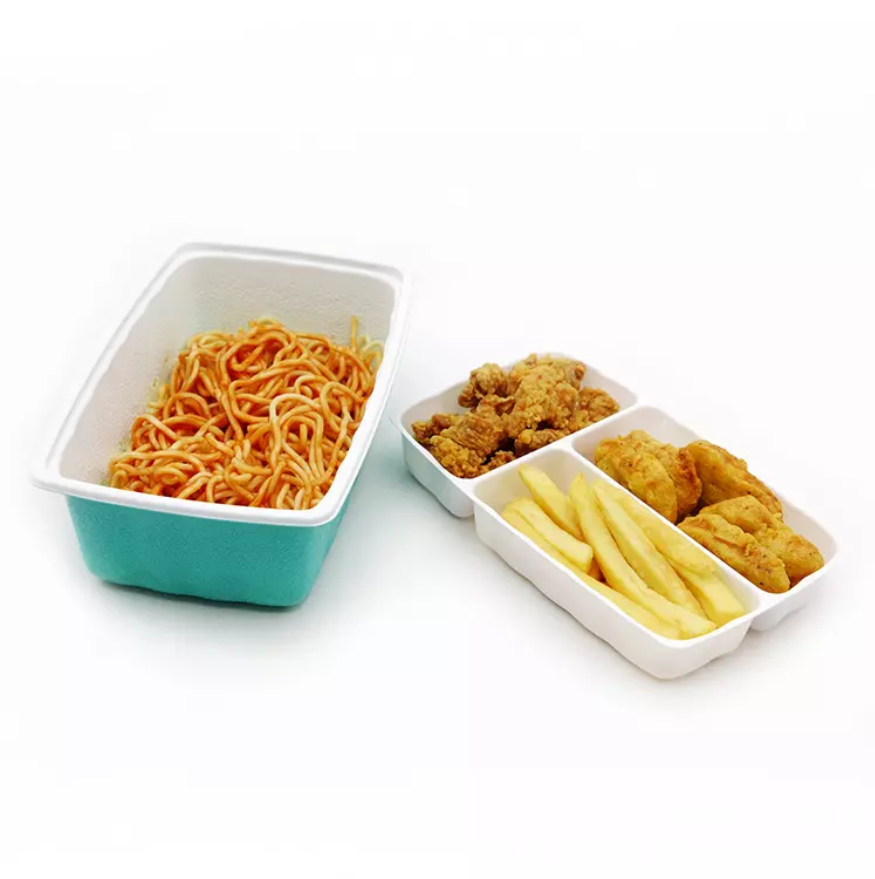
As the demand for sustainable packaging solutions grows, many businesses are seeking alternatives to traditional Styrofoam meat trays, which are notorious for their environmental impact. This article explores a variety of eco-friendly options, including PLA-lined paper, mineral-filled polypropylene, reusable containers, and innovative materials like bagasse, mushroom, and cornstarch packaging. Each alternative offers unique benefits and challenges, providing businesses with the opportunity to reduce their reliance on fossil fuels while maintaining food safety and quality.
PLA-lined paper combines traditional paperboard with a thin lining of polylactic acid (PLA), a plant-based bioplastic derived from renewable resources like corn, sugarcane, or cassava. This lining makes the paper resistant to moisture and grease, preventing leaks and sogginess in food packaging. It’s often used for containers, cups, and trays that hold both hot and cold foods.
Unlike conventional plastics made from fossil fuels, PLA is compostable under industrial conditions, breaking down into water and carbon dioxide without leaving harmful residues. This makes PLA-lined paper a promising alternative to Styrofoam meat trays, which are non-biodegradable and environmentally harmful.
● Soak-Through Resistance: The PLA lining prevents liquids from seeping through, keeping food fresh and packaging intact.
● Temperature Tolerance: It withstands temperatures between 32°F and 185°F, suitable for hot or cold foods without warping.
● Compostability: At the end of its life cycle, PLA-lined paper can be industrially composted, reducing landfill waste.
● Microwave and Oven Safe: It can safely be used in microwaves and ovens, offering convenience for consumers.
● Renewable Material: Made from plants, it reduces dependence on fossil fuels.
These benefits make PLA-lined paper a practical choice for businesses aiming to reduce their environmental footprint while maintaining food safety and quality.
● Heat Transfer: PLA-lined containers tend to have poor heat transfer, which means the exterior can get hot quickly, potentially causing discomfort when handled.
● Cost: PLA-lined paper is generally more expensive than Styrofoam, which might deter some businesses from switching immediately.
● Composting Infrastructure: Industrial composting facilities are necessary for PLA to break down properly. Unfortunately, such facilities are not available everywhere, and PLA-lined products may end up in landfills if composting is not accessible.
● Recycling Complexity: The PLA lining complicates recycling because it requires separation from the paper fibers, which many recycling centers cannot process.
Despite these challenges, PLA-lined paper remains a strong contender for sustainable packaging, especially as composting infrastructure improves and economies of scale bring down costs.
When switching to PLA-lined paper, ensure your local waste management supports industrial composting to fully benefit from its eco-friendly properties.
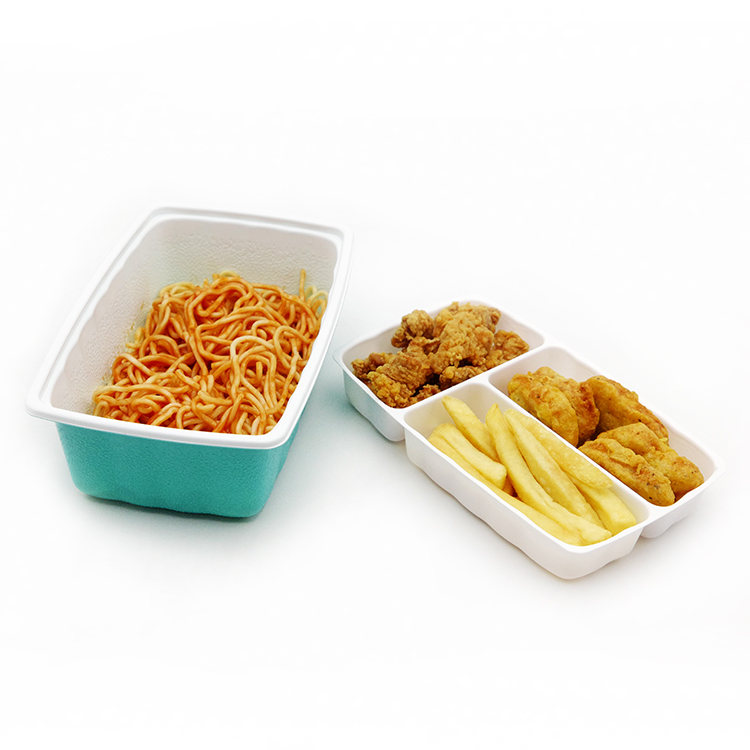
Mineral-filled polypropylene (MFPP) containers are made by blending polypropylene plastic with up to 40% natural mineral content, such as calcium carbonate. This blend reduces the amount of pure plastic needed, lowering the environmental impact compared to traditional plastics. The minerals act as fillers, improving the material’s stiffness and heat resistance without significantly increasing weight.
These containers are designed to be non-absorbent and leak-resistant, making them ideal for holding wet or saucy foods like meats and marinades. They are typically microwave safe and stackable, which adds convenience for both food service providers and consumers. The structure is also cut-resistant, enhancing durability during handling and transport.
● Reduced Plastic Use: The mineral filler lowers the plastic content by up to 40%, decreasing reliance on fossil fuels.
● Durability: MFPP containers resist cuts, cracks, and leaks better than Styrofoam trays, reducing product loss.
● Microwave Safe: Unlike Styrofoam, which can release harmful chemicals when heated, MFPP containers can be safely microwaved.
● Stackability: Their design allows for efficient stacking, saving storage and transport space.
● Recyclability: Polypropylene is widely recyclable, offering a better end-of-life option than Styrofoam, which is often not accepted by recycling programs.
● Cost-Effective Alternative: MFPP containers tend to be less expensive than other eco-friendly options like PLA-lined paper.
These advantages make mineral-filled polypropylene a practical choice for businesses seeking an affordable, durable alternative to Styrofoam meat trays.
Despite their benefits, MFPP containers face some challenges:
● Recycling Limitations: Although polypropylene is recyclable, many local recycling facilities do not accept mineral-filled plastics due to the difficulty in processing the composite material. This often results in MFPP containers being incinerated or sent to landfills.
● Environmental Impact: The mineral fillers are inert but do not biodegrade. Thus, if not recycled, the containers contribute to long-term waste.
● Industrial Processing Required: Recycling MFPP requires specialized equipment to separate the mineral content from the plastic, which many municipalities lack.
● Not Compostable: Unlike PLA-lined paper or bagasse containers, MFPP is not compostable, limiting its eco-friendliness in regions without robust recycling options.
Businesses choosing MFPP containers should evaluate local recycling capabilities to maximize environmental benefits. Where recycling is unavailable, the containers may still offer a lower environmental impact than Styrofoam due to reduced plastic content and durability, but waste management remains a concern.
Check local recycling programs before switching to mineral-filled polypropylene containers to ensure they can be properly recycled and avoid landfill disposal.
Reusable polypropylene containers are a robust alternative to single-use Styrofoam meat trays. Made from BPA-free polypropylene plastic, these containers are designed to withstand repeated use. They resist cracks, leaks, and breaks, making them reliable for transporting meat and other foods safely.
Each container can be used up to 1,000 times, significantly reducing waste compared to disposable options. Their leak-proof design ensures juices or marinades stay contained, maintaining hygiene and preventing messes. They are also microwave and dishwasher safe, which adds convenience for both businesses and consumers.
Thanks to their durability, these containers hold up well in busy environments like cafeterias, universities, and catering services. Their sturdy construction means fewer replacements, helping businesses save on packaging costs over time.
Although reusable polypropylene containers require a higher upfront investment than disposable Styrofoam trays or other eco-friendly alternatives, they offer considerable savings in the long run. The ability to reuse each container hundreds of times spreads the initial cost over many uses, lowering the average cost per use.
For businesses, this means reduced spending on packaging materials and less frequent ordering, which can also cut down on shipping costs and storage needs. Over time, switching to reusable containers can improve operational efficiency and reduce waste disposal expenses.
Moreover, reusable containers can enhance brand image by demonstrating a commitment to sustainability. This appeal can attract environmentally conscious customers and build loyalty.
From an environmental perspective, reusable polypropylene containers offer significant advantages. By replacing single-use Styrofoam trays, they drastically reduce the volume of waste sent to landfills. Since each container is used multiple times, the demand for raw materials and energy to produce new packaging decreases.
At the end of their lifespan, these containers are recyclable, which helps close the loop in the materials lifecycle. However, businesses should ensure proper recycling practices are followed to maximize environmental benefits.
While polypropylene production still relies on fossil fuels, the overall carbon footprint is lower compared to constant manufacturing and disposal of Styrofoam trays. Using reusable containers also cuts down on litter and pollution associated with lightweight, disposable packaging.
To maximize environmental and cost benefits, implement a robust cleaning and collection system for reusable polypropylene containers in your food service operations.
Bagasse containers are made from the fibrous residue left after sugarcane stalks are crushed to extract juice. This leftover pulp is collected, cleaned, and then molded under heat and pressure into various shapes, including meat trays. The process uses minimal water and energy compared to plastic or Styrofoam production, making it a more sustainable choice.
Because bagasse is a natural plant fiber, it is completely biodegradable and compostable. It does not contain additives or chemicals that could harm food safety. The raw material is renewable, as sugarcane grows quickly and is harvested annually, ensuring a steady supply without deforestation.
● Biodegradability: Bagasse breaks down naturally in composting environments within weeks, reducing landfill waste.
● Heat Resistance: It withstands temperatures from freezing up to about 250°F, making it safe for refrigeration, microwaving, and short-term oven use.
● Grease and Cut Resistant: The dense fiber structure resists grease penetration and tearing, keeping meat juices contained without leaks.
● Renewable and Sustainable: Made from agricultural waste, bagasse containers reduce reliance on fossil fuels and divert waste from burning or landfilling.
● Safe for Food Contact: Free from toxic chemicals, they comply with food safety standards.
● Microwave and Refrigerator Safe: This versatility adds convenience for both retailers and consumers.
These benefits position bagasse as a strong alternative for single-use meat trays, especially for businesses aiming to reduce plastic waste and improve their sustainability profile.
● Cost: Bagasse containers tend to be pricier than Styrofoam and even some other eco-friendly options like mineral-filled polypropylene. This higher cost can be a barrier for businesses with tight budgets.
● Steam Control: Bagasse does not vent steam well, which can cause condensation buildup and sogginess in some packaged foods, potentially affecting freshness and texture.
● Durability: While sturdy, bagasse containers are not reusable and can become soggy if exposed to prolonged moisture.
● Availability: Depending on location, sourcing bagasse products may be limited, making supply chains less reliable for some businesses.
● Composting Requirements: Proper industrial composting facilities are needed to fully biodegrade bagasse containers; otherwise, they may degrade slower in landfills.
Despite these challenges, bagasse containers offer a compelling balance of sustainability and performance compared to Styrofoam. They are especially attractive for businesses willing to invest in greener packaging and communicate their environmental commitment.
When choosing bagasse containers, verify local composting options to ensure your packaging waste is properly processed and does not end up in landfills.
Mushroom packaging is an exciting eco-friendly alternative to Styrofoam. It’s made from agricultural waste like corn husks or wood chips combined with mycelium, the root structure of mushrooms. The process starts by cleaning and sterilizing the waste materials. Then, mycelium is added to this mix, which acts like a natural glue, binding the particles together.
This mixture is placed in molds shaped like meat trays or other packaging forms. Over a few days, the mycelium grows and solidifies the structure. After reaching the desired shape and firmness, the packaging is dried to stop growth and make it durable. The final product is lightweight, strong, and fully compostable.
Mushroom packaging breaks down quickly in composting environments, returning nutrients to the soil without leaving harmful residues. It’s non-toxic and safe for food contact, making it a great choice for meat trays and other food containers.
Cornstarch packaging is another innovative solution. It’s made from starch extracted from corn kernels, which is processed into a biodegradable plastic-like material. This material can be molded into trays, containers, and other shapes suitable for food packaging.
Cornstarch packaging offers several advantages:
● Biodegradability: It decomposes naturally within months in the right environment.
● Renewable Resource: Made from corn, a fast-growing plant, it reduces reliance on fossil fuels.
● Non-Toxic: Safe for food contact and does not release harmful chemicals.
● Lightweight and Durable: Provides good protection for meats and other products during transport.
● Moisture Resistant: Helps keep meat fresh by preventing leaks.
This packaging is suitable for businesses looking for a compostable, plant-based alternative to Styrofoam. However, like mushroom packaging, it requires proper composting facilities for effective disposal.
Both mushroom and cornstarch packaging offer clear environmental benefits over Styrofoam. Here’s how they compare:
Feature | Mushroom Packaging | Cornstarch Packaging | Styrofoam |
Material Source | Agricultural waste + mycelium | Corn starch | Petroleum-based plastic |
Biodegradability | Fully compostable | Biodegradable | Very low, persists for decades |
Compostability | Industrial and home compostable | Industrial compostable | Not compostable |
Toxicity | Non-toxic | Non-toxic | Can release toxic chemicals when heated |
Durability | Strong but can be brittle | Lightweight and durable | Lightweight and fragile |
Disposal | Composting preferred | Composting preferred | Landfill or incineration |
Environmental Impact | Low, uses waste materials | Low, renewable resource | High, fossil fuel-based |
Both alternatives reduce plastic pollution and greenhouse gas emissions compared to Styrofoam. They support circular economies by using renewable or waste materials. However, their success depends on access to composting infrastructure, which may limit adoption in some areas.
When adopting mushroom or cornstarch packaging, ensure your waste management partners support industrial composting to maximize environmental benefits and avoid landfill disposal.
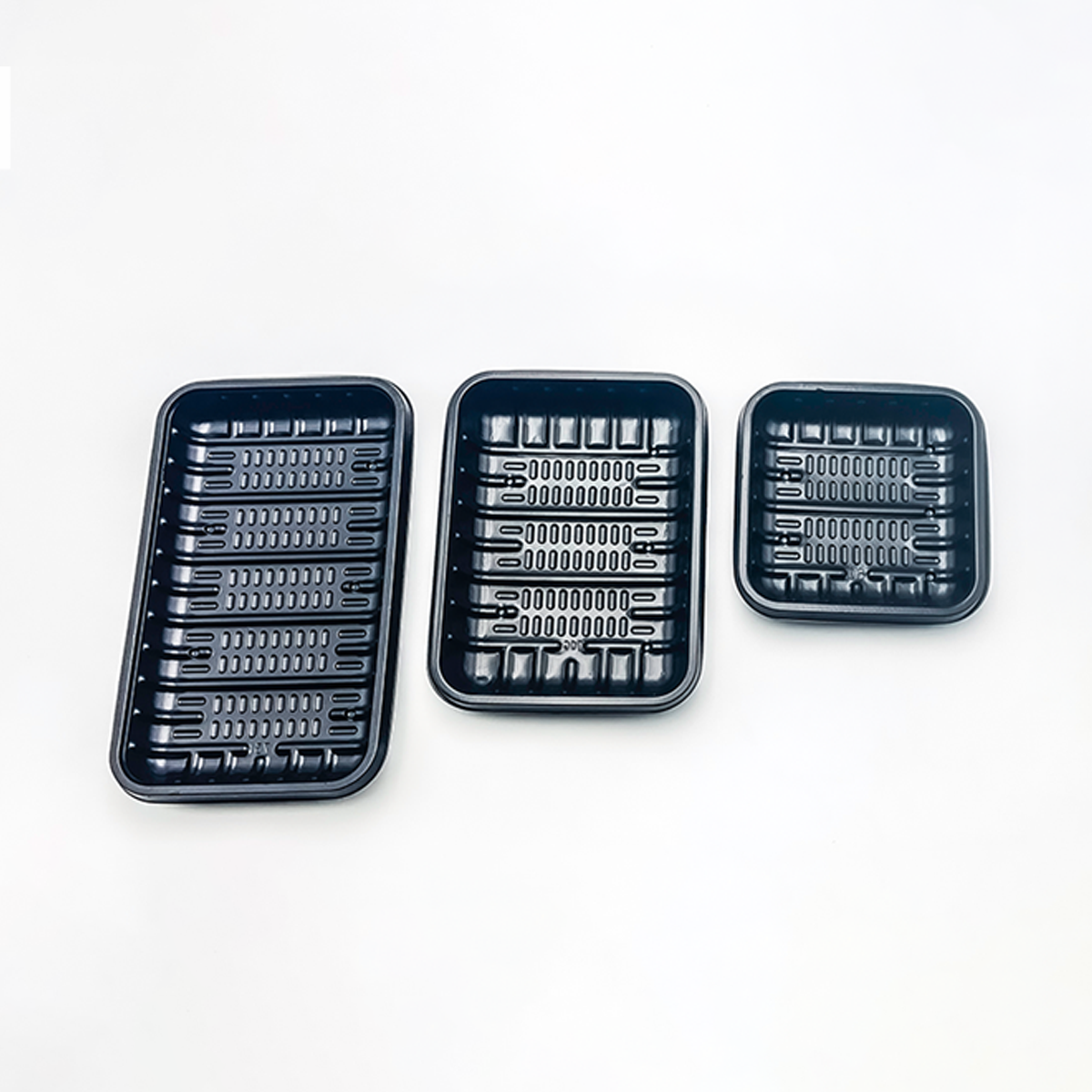
Recycled paper products offer a sustainable alternative to Styrofoam meat trays by using post-consumer or post-industrial paper fibers. These fibers are processed and molded into sturdy trays that can hold meat safely. The most common types include:
● Paperboard Containers: Made from thick, layered recycled paper, these containers are lightweight yet strong enough to hold meat. They often have a smooth surface and can be coated with biodegradable liners to resist grease and moisture.
● Molded Pulp Trays: Created by pressing recycled paper fibers into molds, these trays have a rougher texture but provide excellent cushioning and shape retention. They are often used for packaging eggs but can be adapted for meats.
● Recycled Kraft Paper Trays: These trays use kraft paper, known for its durability and resistance to tearing. They may be combined with natural coatings to improve moisture resistance.
Each type offers a balance of strength, biodegradability, and cost-effectiveness, making recycled paper products versatile for various meat packaging needs.
Using recycled paper products helps reduce waste by diverting paper from landfills and lowering the demand for virgin pulp. They are biodegradable, breaking down naturally in composting environments without leaving harmful residues. Additionally, producing recycled paper trays generally consumes less energy and water than making Styrofoam.
However, challenges exist:
● Moisture Resistance: Paper products can absorb liquids, risking sogginess or leaks. Biodegradable coatings like PLA or wax can help but add complexity to recycling.
● Durability: Compared to plastics, recycled paper trays may tear or deform if overloaded or exposed to moisture for long periods.
● Recycling Complexity: Coatings and liners on some trays can hinder recycling processes, requiring specialized facilities.
● Supply Consistency: Availability of high-quality recycled paper can vary, affecting production and cost.
Despite these challenges, recycled paper products remain a strong eco-friendly option, especially for businesses prioritizing compostability and waste reduction.
Recycled paper meat trays are widely available from packaging suppliers focused on sustainable products. Many manufacturers now offer customizable options, such as size, shape, and coating types, to meet different business needs.
Consumers increasingly favor packaging that shows environmental responsibility. Using recycled paper trays can enhance brand image and appeal to eco-conscious customers. However, clear communication about the product’s benefits and proper disposal is essential to ensure consumer acceptance.
Some businesses combine recycled paper trays with clear biodegradable films to improve visibility and protection, balancing sustainability and functionality.
When choosing recycled paper meat trays, verify the type of coating used and confirm local recycling or composting facilities can process them to maximize environmental benefits.
PLA-lined paper, mineral-filled polypropylene, reusable polypropylene, bagasse, mushroom, cornstarch, and recycled paper are key alternatives to Styrofoam meat trays. Businesses are encouraged to make the switch to these sustainable options, which offer environmental benefits like compostability and reduced reliance on fossil fuels. The future of sustainable packaging shines with these innovations. Trusted Packaging Partner/Manufacturer - Lixin Plastic Packing provides valuable solutions, offering products that balance functionality and eco-friendliness, helping businesses enhance their sustainability efforts.
A: PLA-lined paper and mineral-filled polypropylene containers are popular styrofoam alternatives for meat trays. They offer environmental benefits like compostability and reduced plastic use compared to styrofoam meat trays.
A: Lunch tray options like reusable polypropylene containers and bagasse offer durability and sustainability advantages over styrofoam food trays, reducing landfill waste and environmental impact.
A: Styrofoam lunch trays alternatives like mushroom and cornstarch packaging are biodegradable and compostable, making them eco-friendly choices that reduce plastic pollution.
A: While some styrofoam tray alternatives, like PLA-lined paper, may have higher upfront costs, options like reusable polypropylene containers can offer long-term savings by reducing packaging expenses.
A: Plastic meat trays, specifically mineral-filled polypropylene, offer better durability and recyclability than styrofoam meat trays, though they are ot compostable.


