

close
Choose Your Site
Global
Social Media

Views: 0 Author: Site Editor Publish Time: 2025-10-11 Origin: Site


Clamshell containers are innovative packaging solutions designed for convenience and functionality. Characterized by their unique hinged design and secure snap closure mechanism, these containers are widely used across various industries, particularly in food packaging and retail. Their ability to provide easy access while ensuring product protection makes them a popular choice for businesses looking to enhance product visibility and maintain freshness. In this article, we will explore the design, materials, applications, and benefits of clamshell containers, shedding light on why they have become a staple in modern packaging.
Clamshell containers are known for their simple yet highly functional design, making them a popular choice across various industries. Two key features define their structure: the hinged design and the snap closure mechanism.
The hallmark of a clamshell container is its hinged design. It consists of two halves connected by a flexible hinge, usually molded from the same piece of material. This hinge allows the container to open and close easily, much like a clam’s shell, hence the name.
This one-piece construction offers several benefits:
● Ease of use: You can open and close the container repeatedly without needing separate lids or parts.
● Durability: The hinge reduces the risk of losing parts and provides structural integrity.
● Convenience: It enables quick access to the contents and makes resealing simple.
The hinged design also supports stacking during storage or transport, saving space and improving logistics efficiency.
To keep the contents secure, clamshell containers typically feature a snap closure mechanism. This system involves small tabs or ridges along the edges of the container that lock into corresponding slots when closed.
Key advantages of the snap closure include:
● Secure sealing: Prevents accidental openings, protecting food or products inside.
● Freshness preservation: Helps maintain product quality by limiting air exposure.
● Leak resistance: Reduces spills during transport, especially for food items.
The snap closure is designed for easy operation, allowing users to open or close the container without tools or excessive force. This feature is especially valuable in fast-paced environments like restaurants or retail stores.
Here’s a simple diagram illustrating the design elements:
This design ensures the container is both functional and user-friendly, meeting the needs of businesses and consumers alike.
When selecting clamshell containers, consider the hinge and snap closure quality, as these directly impact ease of use and product protection.
Clamshell containers come in various materials, each offering unique benefits and challenges. Choosing the right material depends on the product's needs, environmental goals, and budget.
Plastic clamshells are the most common type, widely used in food packaging and retail. Two popular plastics are:
● PET (Polyethylene Terephthalate): Clear, strong, and lightweight, PET is great for displaying products. It resists moisture and offers good protection. However, PET is less heat-resistant and may not be ideal for hot foods.
● PP (Polypropylene): More heat-resistant than PET, PP suits hot or microwavable items. It’s durable, flexible, and recyclable in many areas. PP clamshells often have a frosted or opaque look.
Advantages of Plastic Clamshells:
● Clear visibility of contents
● Durable and lightweight
● Good moisture barrier
● Recyclable if local facilities exist
Limitations:
● Environmental concerns due to plastic waste
● Recycling depends on local infrastructure
● Some plastics may contain additives or chemicals
Paperboard clamshells are a popular alternative to plastic. Made from thick paper pulp, they are often coated or lined for moisture resistance. Paperboard containers typically suit dry or less moist foods like bakery items or sandwiches.
Benefits of Paperboard:
● Biodegradable and recyclable
● Good printability for branding
● Lightweight and cost-effective
● Works well for hot foods when coated
Drawbacks:
● Less durable against moisture and grease unless specially treated
● Not transparent, so product visibility is limited
● Coatings may affect compostability or recyclability
Eco-conscious businesses increasingly choose clamshells made from renewable plant fibers like bagasse, a byproduct of sugarcane processing. Other materials include cornstarch-based PLA and molded fiber from recycled paper.
Key Features of Bagasse and Plant Fiber Clamshells:
● Compostable and biodegradable
● Resistant to moisture and grease without plastic lining
● Safe for hot and cold food
● Carbon-neutral and toxin-free
Advantages:
● Supports sustainability goals
● Reduces plastic waste
● Suitable for industrial composting facilities
Considerations:
● Usually opaque, limiting product display
● May cost more than plastic or paperboard
● Composting availability varies by region
Material | Visibility | Heat Resistance | Moisture Barrier | Environmental Impact | Common Uses |
PET Plastic | High | Moderate | Good | Moderate (recyclable) | Fresh produce, retail goods |
PP Plastic | Moderate | High | Good | Moderate (recyclable) | Hot foods, microwavable |
Paperboard | Low | Moderate | Moderate | Low (biodegradable) | Bakery, sandwiches |
Bagasse | Low | High | Excellent | Very Low (compostable) | Hot/cold food, eco-packaging |
When selecting clamshell materials, consider your product's temperature, moisture level, and sustainability goals to choose the best fit for your business.
Clamshell containers are incredibly versatile and used across many industries. Their unique hinged design and secure snap closure make them ideal for packaging, storage, and transport. Here are the main applications where clamshell containers shine:
One of the most common uses for clamshell containers is in food and beverage packaging. They are perfect for:
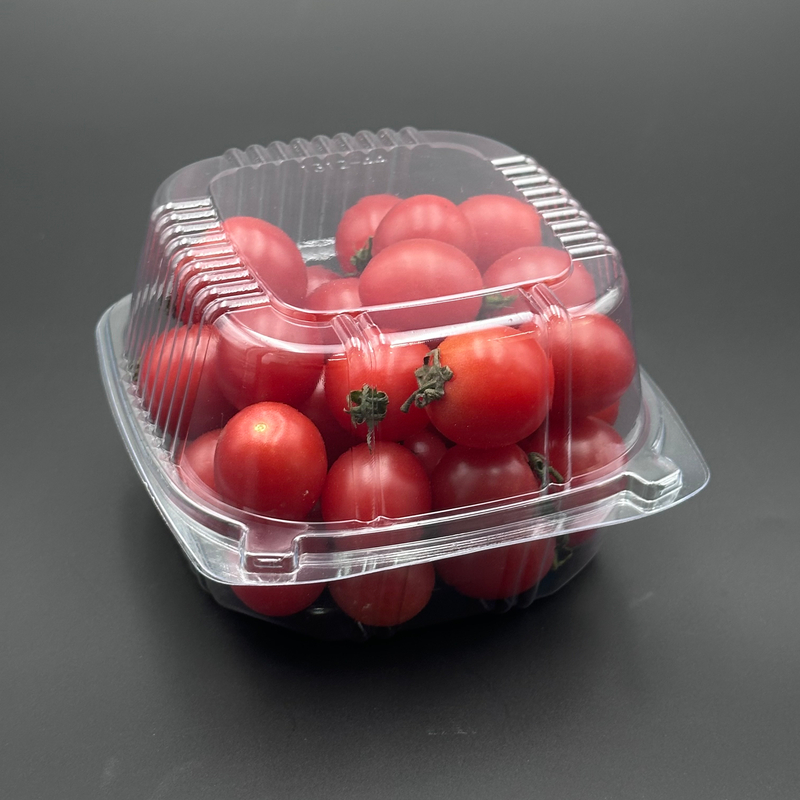
● Fresh produce: Fruits like berries, grapes, and cherry tomatoes are often sold in clear plastic clamshells. This allows customers to see the product while keeping it protected.
● Takeout and delivery: Restaurants and food trucks use clamshells to package burgers, sandwiches, salads, and hot meals. The secure closure prevents spills and keeps food fresh.
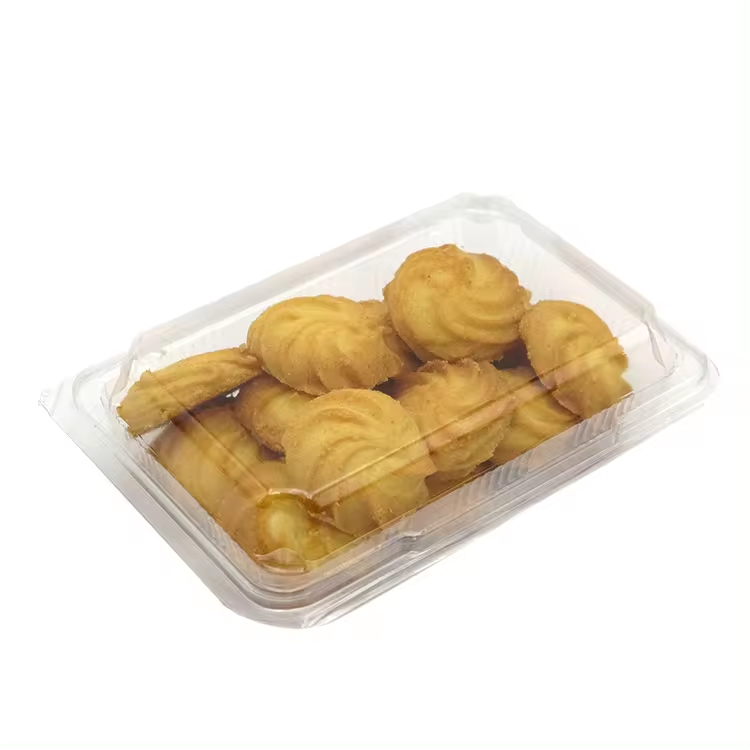
● Bakery and desserts: Pastries, cookies, and cakes are packaged in clamshells to maintain shape and freshness during transport.
● Ready-to-eat meals: Multi-compartment clamshells separate different food items, making them ideal for combo meals or lunch boxes.
● Cold and hot items: Depending on material, clamshells can hold hot foods like BBQ ribs or cold items like sushi safely.
Their stackable design helps save space in storage and transport. Plus, clear plastic versions let customers view food without opening the container.
Beyond food, clamshell containers find use in retail packaging for various small consumer products:
● Toys and crafts: Small toys, art supplies, beads, or craft kits are often packaged in clamshells. The container keeps items organized and visible.
● Electronics and accessories: Earbuds, cables, batteries, and small gadgets are protected from damage while on display.
● Cosmetics and personal care: Items like makeup, brushes, or skincare samples use clamshell packaging for hygiene and presentation.
● Hardware and tools: Small parts such as screws, nuts, and bolts are commonly sold in clamshells at hardware stores.
Retailers benefit from the container’s durability, visibility, and ease of handling, which help improve product appeal and reduce theft.
Clamshell containers are popular in DIY and hardware sectors due to their practical design:
● Fasteners and small parts: Nails, screws, washers, and other tiny components are stored neatly.
● Toolkits: Sets of drill bits, blades, or repair kits use clamshells to keep pieces organized and accessible.
● Hobby supplies: Model parts, beads, and other craft materials are easy to sort and store.
The resealable nature allows users to open the container, take what they need, then close it securely for storage. This reduces loss and keeps tools and parts safe from dust or moisture.
When choosing clamshell containers for packaging, consider your product’s size, fragility, and whether visibility or insulation is most important to optimize the container’s effectiveness.
Clamshell containers offer several key benefits that make them a popular choice across industries. Their design and material options provide convenience, security, and great presentation for various products.
One of the biggest advantages of clamshell containers is how easy they are to use. The hinged design allows quick opening and closing, making them perfect for busy environments like restaurants or retail stores. You can open the container to access the product and reseal it effortlessly to keep contents fresh.
They come in many sizes and shapes, fitting everything from small snacks to larger meals or goods. This versatility means you can find a clamshell container for almost any product, whether hot or cold, fragile or sturdy. Plus, their stackable nature helps save space during storage and transport.
Clamshell containers provide a secure seal thanks to their snap closure mechanism. This locking feature prevents accidental openings, reducing spills and contamination risks. It also helps keep food fresh by limiting air exposure and maintaining temperature better than loose packaging.
The rigid structure protects delicate items from damage during handling or shipping. Whether it’s fresh berries or small electronics, clamshells keep contents safe and intact. This protection builds customer confidence and reduces product loss, which benefits businesses.
Many clamshell containers, especially those made from clear plastic like PET, offer excellent product visibility. Customers can see exactly what they’re buying without opening the container, which enhances appeal and reduces handling.
This transparency is valuable in retail and food service settings where visual inspection influences purchase decisions. Additionally, clamshell containers can be customized with labels, branding, or printed designs to boost marketing efforts and brand recognition.
When selecting clamshell containers, prioritize those with strong snap closures and clear visibility to enhance customer experience and product protection.
While clamshell containers offer many benefits, they also come with certain challenges and drawbacks, especially concerning environmental impact and waste management.
One of the biggest issues with clamshell containers relates to their environmental footprint. Most traditional clamshells are made from plastics like PET or PP, which are derived from fossil fuels. These materials contribute to pollution and greenhouse gas emissions during production.
Additionally, plastic clamshells often end up in landfills or oceans, where they can take hundreds of years to break down. This long decomposition period harms wildlife and ecosystems. Even though some plastics are recyclable, contamination with food residue often makes recycling difficult or impossible.
Foam clamshells, once popular, pose even greater environmental risks. They are typically made from polystyrene, which is not biodegradable and is rarely recycled. Many regions have banned or restricted foam containers due to these concerns.
Paperboard and plant-fiber clamshells reduce plastic use but still face challenges. Coatings or linings to improve moisture resistance may hinder compostability or recycling. Moreover, if these containers are soiled with grease or food, their recyclability decreases significantly.
Recycling clamshell containers is not straightforward. Several factors complicate the process:
● Material type: Different materials require different recycling streams. Mixed materials or composite coatings make separation difficult.
● Food contamination: Leftover food or grease can spoil batches of recyclable material, causing rejection by recycling facilities.
● Local infrastructure: Not all municipalities accept clamshell plastics or compostable materials, limiting proper disposal options.
● Consumer behavior: Improper disposal by users, such as throwing containers in regular trash, leads to landfill accumulation.
Because of these factors, many clamshell containers are not recycled effectively, increasing environmental burden.
Some businesses have started using clamshells made from compostable materials like bagasse or PLA. These can be industrially composted where facilities exist, reducing landfill waste. However, industrial composting is not universally available, and home composting is usually not an option.
To minimize environmental impact, choose clamshell containers made from recyclable or certified compostable materials and educate customers on proper disposal methods.
Sustainability plays a growing role in choosing clamshell containers. Businesses and consumers want packaging that reduces environmental harm while still protecting products. Fortunately, several eco-friendly materials offer alternatives to traditional plastics.
● Bagasse: Made from sugarcane fiber, bagasse clamshells are compostable and biodegradable. They resist moisture and grease without plastic linings, making them safe for hot and cold foods. Bagasse is renewable and carbon neutral, breaking down quickly in industrial composting facilities.
● Cornstarch PLA: Polylactic acid (PLA) derived from cornstarch creates compostable clamshells. These containers mimic plastic's durability but degrade under industrial composting. They are free from toxins and chemicals, supporting eco-friendly goals.
● Recycled Paperboard: Paperboard clamshells made from recycled fibers reduce waste and use fewer resources. When untreated or lightly coated, they remain recyclable and biodegradable. However, coatings or heavy soiling can limit composting or recycling options.
● Recyclable Plastics (PET, PP): Some plastics remain recyclable when clean and sorted properly. Polypropylene (PP) offers better heat resistance and reuse potential. Recycling infrastructure varies greatly, so local capabilities should be considered.
Choosing sustainable materials depends on your business’s environmental priorities and local waste management systems. Compostable options like bagasse or PLA suit companies aiming to minimize landfill waste. Recyclable plastics work well where recycling programs are robust.
While sustainability is crucial, businesses must balance it with practicality, cost, and product protection. Here are some key considerations:
● Product Compatibility: Ensure the material matches your product’s temperature, moisture, and durability needs. For example, bagasse works well for hot foods but lacks transparency for product display.
● Cost Factors: Compostable materials may cost more than traditional plastics. However, rising consumer demand for green packaging can justify the investment.
● Waste Infrastructure: Assess local recycling and composting facilities. If industrial composting is unavailable, compostable containers may end up in landfill, negating benefits.
● Brand Image: Eco-friendly packaging can boost brand reputation and attract environmentally conscious customers. Custom branding on sustainable clamshells enhances marketing appeal.
● Consumer Education: Encourage proper disposal through labeling or communication. Clear instructions help maximize recycling or composting success.
By carefully selecting materials and considering operational realities, businesses can implement clamshell containers that align with both sustainability goals and commercial needs.
Evaluate your local recycling and composting options before choosing clamshell materials to ensure your eco-friendly packaging achieves its intended environmental benefits.
Selecting the perfect clamshell container involves more than just picking a size or material. To get the most out of your packaging, consider several key factors that impact functionality, customer satisfaction, and sustainability. Also, explore customization options to strengthen your brand identity and stand out in a crowded market.
● Product Type and Size: Match the container size and compartments to your product. For instance, multi-compartment clamshells work well for combo meals, while single-compartment containers suit simple items like sandwiches or pastries.
● Material Compatibility: Choose materials that protect your product and meet handling needs. Hot foods may require heat-resistant polypropylene or bagasse containers, while fresh produce benefits from clear PET for visibility.
● Sustainability Goals: If reducing environmental impact is a priority, opt for compostable or recyclable materials such as bagasse, PLA, or recyclable plastics. Consider your local recycling and composting facilities to ensure proper disposal.
● Durability and Protection: Ensure the container has a secure snap closure and sturdy hinge to protect contents during transport and handling. Fragile or delicate products need extra protection against crushing or moisture.
● Cost and Budget: Balance quality and cost. Eco-friendly materials may have a higher upfront price but can boost brand image and appeal to conscious consumers.
● Regulatory Compliance: Verify that your chosen containers meet food safety standards and certifications relevant to your region and industry.
Clamshell containers offer excellent chances to boost brand visibility and customer engagement through customization:
● Custom Printing: Add logos, product information, or attractive designs directly on the container or on attached labels. This enhances shelf appeal and communicates your brand story.
● Color Options: Choose from natural, white, clear, or tinted containers to align with brand colors or product presentation needs.
● Shape and Size Variations: Tailor container shapes and sizes to fit unique products or create a distinctive packaging style.
● Special Features: Include tamper-evident seals, easy-open tabs, or venting holes for specific product requirements.
● Private Labeling: Work with manufacturers to produce branded clamshells exclusive to your business, helping build customer loyalty.
By carefully weighing these factors and leveraging customization, you can select clamshell containers that not only protect and present your products well but also reinforce your brand and sustainability commitments.
When choosing clamshell containers, prioritize materials and features that align with your product’s needs and your customers’ values to create packaging that sells and sustains.
Clamshell containers are versatile with hinged designs and snap closures, offering convenience and protection across industries. They come in various materials like PET, PP, and eco-friendly options such as bagasse, catering to diverse product needs. As sustainability becomes critical, businesses must balance eco-friendly practices with practical considerations. Trusted Packaging Partner/Manufacturer - Lixin Plastic Packing provides clamshell containers that enhance product appeal and meet environmental goals, offering value through innovation and customization for businesses worldwide.
A: A clamshell container is a packaging solution characterized by its hinged design and snap closure mechanism, allowing easy opening and secure sealing for various products.
A: Clamshell containers work by using a hinged design for effortless opening and a snap closure to securely seal contents, preventing spills and preserving freshness.
A: Clamshell containers are popular in food packaging due to their secure seal, ease of use, and ability to maintain product freshness while offering clear visibility.
A: Benefits of clamshell containers include convenience, secure sealing, product protection, and excellent visibility, enhancing both functionality and presentation.
A: Compared to other packaging types, clamshell containers offer superior ease of use, protection, and visibility, making them ideal for food and retail products.


